Olhão Travel Guide - Ria Formosa, Fish Market
Olhão guide - Ria Formosa ferry islands, the 1912 fish market, Moorish-style old town, and why this fishing port stays off the mass-tourism radar.
Olhão is the Algarve’s working fisherman’s capital - a town of around 45,000 people with a functioning fish market, a tuna-canning history, a ferry terminal serving two barrier islands in the Ria Formosa natural park, and a distinctive urban character derived from the Moorish North African trading connections of the 17th and 18th centuries. The flat-roofed whitewashed buildings with their terrace staircases (açoteias) give the old town a look unlike anywhere else in Portugal.
It is also, relative to its quality and interest, one of the least visited Algarve towns. There is no sandy beach within the town itself - the beaches are on the barrier islands, reached by ferry - and the absence of a resort beach has kept mass tourism away. The result is a more genuinely Portuguese character than almost any town of comparable size on the coast.
Getting to Olhão
From Faro airport: The closest notable Algarve town to the airport, just 8km east. By car, 10 minutes on the N125. By taxi, approximately €15–20. By train, take the Algarve line from Faro station - 10 minutes, approximately €1.60 single. Faro station is about 10 minutes from the airport terminal by bus (bus 14 or 16) or taxi.
From Faro city centre: Olhão is 8km east. Train is the most practical option - several departures per hour during the day, 10-minute journey, no traffic issues.
From Tavira: 25km west, 30 minutes by car on the N125 or N270. Regular train connections (approximately 20 minutes, €2.50 single).
From Albufeira: 45km west, about 35 minutes by car on the A22.
Parking: Street parking is available in the newer parts of town. The waterfront car park near the ferry pier has paid parking. On market days (especially Saturday) parking near the market buildings fills early.
The Old Town and Moorish Quarter
The oldest part of Olhão - the bairro between the market buildings and the Igreja Matriz (parish church) - is worth spending a morning exploring. The streets are narrow, whitewashed, and irregular; the flat-roofed buildings with their açoteias (external rooftop terraces with staircases) give the neighbourhood a distinctly North African character that reflects the trading relationships of the 17th and 18th centuries.
The Igreja de Nossa Senhora do Rosário is the main church, with an 18th-century façade and notable azulejo panels inside. Open most mornings.
The Capelo dos Aflitos is a small chapel housing a remarkable collection of ex-votos - wax figures, paintings, and photographs left by fishermen and their families in thanks for being saved from the sea. Understated and genuinely moving. Open irregularly - ask at the market or the tourist office.
The rooftop view from the açoteia of the Igreja Matriz campanile, when accessible, gives the best perspective on the flat-roofed characteristic of the old town.
The Market Buildings
The twin 1912 market pavilions on the waterfront (Avenida 5 de Outubro) are among the best market buildings in the Algarve. Constructed in red brick with decorative turrets in neo-Moorish style, they house:
Fish market (eastern pavilion): Active from approximately 07:00, winding down by 11:00. Fresh fish landed from the Olhão fleet - bream, bass, grouper, cuttlefish, octopus, clams, and in season, tuna. The quality is genuine and the prices reflect the proximity to the landing point. Worth visiting even without buying anything - the spectacle is significant.
Fruit and vegetable market (western pavilion): Open from 07:00 through to early afternoon Tuesday–Saturday. Local produce from the Algarve interior alongside the expected produce.
Both buildings close Sunday. Saturday morning is the busiest and best day.
The Ria Formosa and Island Ferries
The Ria Formosa Natural Park is a 60km stretch of barrier islands, lagoon channels, and salt marshes that runs from east of Faro to the Spanish border. Olhão sits in the middle of the park and is the main access point for the central barrier islands.
Ferries from Olhão pier (Cais da Ribeira):
-
Ilha da Armona: 15-minute crossing. A single-settlement island with a long beach on the ocean-facing side and a fishing community on the lagoon side. No cars. Day trips are the primary use, though there is a campsite and some simple rental accommodation. The beach is excellent - long, uncrowded by mainland standards, with clear water on the Atlantic side. Ferries run several times daily from April through October; reduced winter schedule.
-
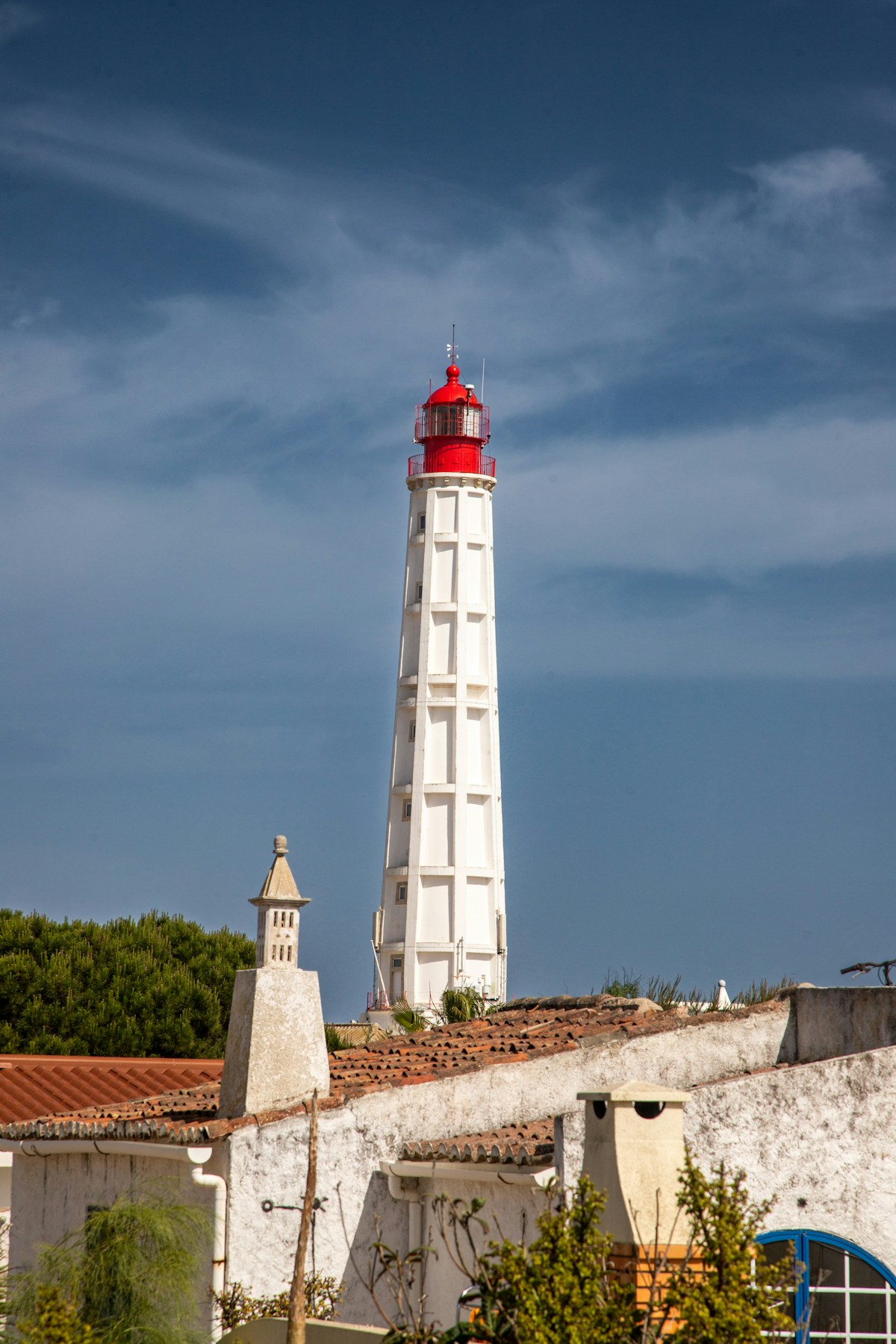
Ilha da Culatra (Culatra village and Farol): 45-minute crossing to Culatra village, a further 20 minutes to Farol at the western tip. Farol is notable for the lighthouse (the Farol de Santa Maria, built 1852), a small beach community, and the feeling of genuine remoteness despite being 45 minutes from a Portuguese city. Culatra village is larger, with a year-round fishing community and simple restaurants.
Practical details: Ferries are operated by Transporte Fluvial do Algarve. Timetables are posted at the pier. Return tickets approximately €3–4 to Armona, €4–5 to Culatra/Farol. Cash usually preferred. In summer (July–August) ferries are busy - arriving at the pier early is advisable for afternoon departures.
Ria Formosa boat tours: Several operators in Olhão run guided kayak tours and boat trips through the lagoon channels. These cover the salt pans, bird life (flamingos are seasonally present), and the lagoon ecosystem. Typically 3 hours, approximately €35–50 per person. A good complement to the ferry day trips if you want naturalist context.
What to Eat
Olhão’s restaurant scene is centred on fresh fish - the proximity to the market and the fishing fleet means the quality is high and the prices are among the most honest on the Algarve.
Restaurante 3 Velas (Rua Dr. Teófilo Braga): Long-established, frequented by locals and visiting food tourists in roughly equal measure. Grilled fish by weight, cataplana, octopus salad. Mains approximately €14–22. Lunch and dinner; closed Monday.
O Aquário (near the market): Basic tile-walled restaurant, no frills, good cataplana and arroz de lingueirão (razor clam rice). Under €18 per person for a full lunch with wine. Lunch only.
Tasca do Peixe (Rua Paio Peres Correia): Smaller, reservation-only in summer, outstanding fresh fish preparation. Slightly higher prices than the above (~€20–28 per main) but the quality justifies it.
Salpo (Avenida 5 de Outubro, market building area): Good for mid-morning coffee and pastries after the market - seats outside with market building views.
On the islands: Armona and Culatra have simple restaurants (largely open in summer) serving grilled fish, sandwiches, and beer. Do not expect much - but a grilled fish lunch at a plastic-table restaurant in Farol, watching fishing boats in the lagoon, is one of the Algarve’s simpler and more authentic experiences.
Where to Stay
Olhão is not a hotel-heavy destination - accommodation options are more limited than in the larger resort towns, which contributes to its quieter character.
Casa da Olhão (guesthouse, old town): Small, characterful, well-located in the old town neighbourhood. Doubles approximately €80–130/night. Good base for market visits and ferry access.
Pedras Verdes Guesthouse (Fuseta, 8km east): On the eastern edge of the Ria Formosa, more rural setting. Cycling distance from Fuseta ferry and the lagoon. From approximately €70–110/night.
Hotel Ria Sol (central Olhão): The main conventional hotel in town. Functional 3-star, adequate, none of the character of the guesthouses. From approximately €70–100/night. Suitable for short stays when guesthouses are full.
Self-catering apartments in Olhão town centre represent the best overall value - typically €70–120/night, close to the market and ferry, with kitchen facilities useful for buying direct from the fish market.
Armona island: The island campsite offers budget accommodation (from approximately €12 per person per night pitch). Bungalow/cabin rental is also available. A full island stay suits those willing to trade infrastructure for character.
For our full accommodation guide with specific hotel recommendations across all budgets, see Where to Stay in Olhão.
Best Time to Visit
March–May: The fish market is at full operation, the Ria Formosa migratory birds are present (flamingos, spoonbills, little egrets), the old town is quiet and genuinely pleasant. Arguably the best time to visit without any of the summer infrastructure.
June–September: Ferry services increase, the islands are in full summer mode. July–August sees the island beaches at capacity on weekends - plan ferry times carefully and consider midweek day trips.
October–November: Post-peak, very good conditions. Water still warm enough for swimming on the islands. Market and restaurants fully operational.
December–February: Quiet. The old town functions as a Portuguese working town rather than a tourist destination. Some restaurants reduce hours; the market continues. A valid off-season visit for those who value authenticity over amenities.
For Ria Formosa boat tours and guided lagoon kayaking, browse tours in Olhão. Getting here from Faro airport is straightforward - 10 minutes by train or a short airport transfer. Pick up an eSIM for Portugal before you arrive.
How Olhão Compares
Olhão vs Tavira: Tavira is the more conventionally attractive town — Roman bridge, churches, whitewashed architecture, and a refined old town that photographs well. Olhão is less picturesque but more authentic: a working fishing port with North African-influenced flat-roofed buildings, a fish market that runs every weekday, and ferry access to the Ria Formosa islands. Tavira suits couples looking for a romantic Algarve base; Olhão suits travellers who want a less touristic experience and good seafood at lower prices. Both have island beaches via Ria Formosa ferries, but Olhão has more frequent departures to Armona and Culatra.
Olhão vs Faro: Faro is the Algarve’s regional capital and transport hub — airport, central station, larger accommodation stock, and a small historic centre with the Cidade Velha. Olhão is quieter, cheaper, and better for fish-market culture and Ria Formosa access. Most visitors use Faro for transport and Olhão for character. Both are best April–June and September–October. Winter in both towns is mild and genuinely pleasant off-season.
Frequently Asked Questions
- How do you get to Olhão from Faro airport?
- Olhão is just 8km east of Faro, making it the closest Algarve town of note to the airport. By car, 10 minutes on the N125 or EN125. By train, Olhão station is on the Algarve line - Faro to Olhão takes approximately 10 minutes and costs around €1.60. Faro airport to Olhão by taxi costs approximately €15–20. This makes Olhão the easiest and cheapest Algarve destination to reach from the airport without car hire.
- Which islands can you reach by ferry from Olhão?
- Two barrier islands are reached by passenger ferry from Olhão - Ilha da Culatra (with two settlements, Culatra village and Farol) and Ilha da Armona. Ferries run from the Olhão pier (Cais da Ribeira) on the waterfront. The crossing to Armona takes about 15 minutes; to Culatra/Farol around 45 minutes. Ferries run several times daily and are operated by Transporte Fluvial do Algarve. Frequency increases significantly in summer.
- What is special about the Olhão market buildings?
- The Mercado de Olhão is housed in two ornate 1912 brick market pavilions on the waterfront - one for fish, one for fruit and vegetables. They are among the most architecturally handsome market buildings in Portugal, built in neo-Moorish style with decorative turrets. The fish market is at its best early in the morning (07:00–10:00) when the day's catch comes in from the fishing fleet. The fruit and vegetable market runs through the morning. Both close Sunday.
- Is Olhão good for a longer stay or just a day trip?
- Both work, but Olhão rewards staying. The island day trips alone merit an overnight - spending the afternoon on Culatra or Armona and catching the last ferry back is the most satisfying way to experience the Ria Formosa. The town itself has a good density of independent restaurants and a functioning neighbourhood life that distinguishes it from the more tourism-oriented Algarve towns. Two or three nights gives you time for both islands, the market, and some wandering in the bairro.
Book an experience
Top experiences in Olhao
Explore the best tours and activities in Olhao, with instant confirmation and free cancellation on most bookings.
Where to stay in Olhao: Find hotels in Olhao →