Aljezur: Costa Vicentina Gateway and Wild West Coast Beaches
Aljezur travel guide: the Moorish castle, Arrifana and Amoreira beaches, Rota Vicentina trails, sweet potatoes and how to get around the west Algarve.
Aljezur is the main town on the Algarve’s west coast, a quiet small town surrounded by the cliffs, dunes and farmland of the Southwest Alentejo and Vicentine Coast Natural Park. It is the Algarve without the resort strip: no high-rises, no package-holiday nightlife, and beaches that face the open Atlantic with surf, wide sand and long walks.
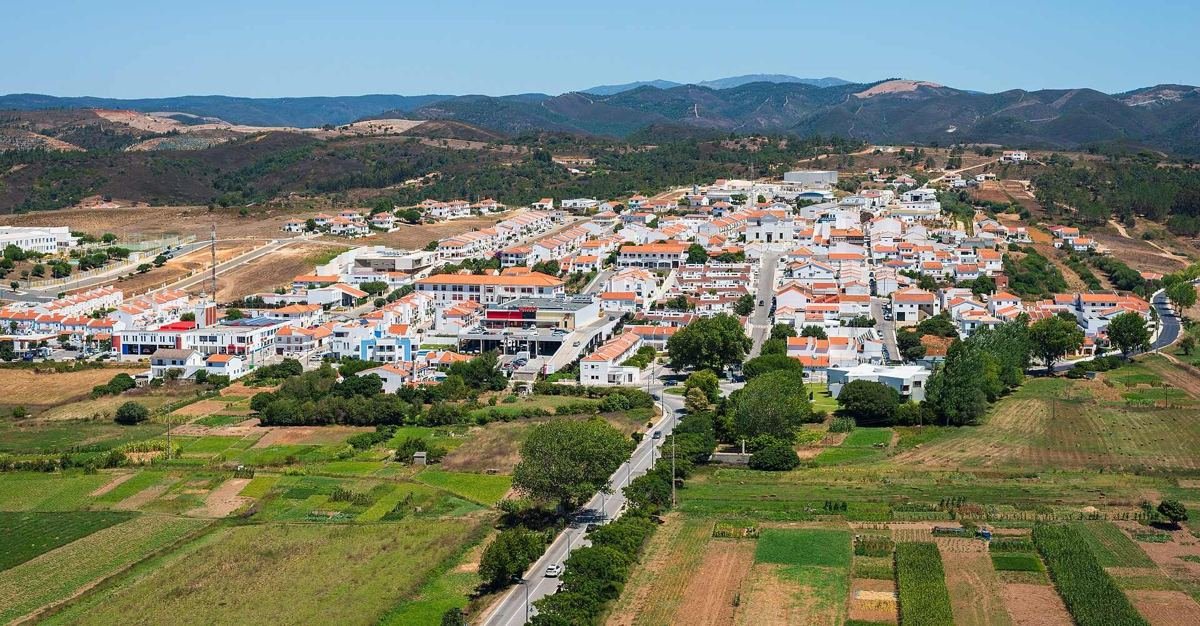
Aljezur is actually two settlements. The old town, Vila Velha, sits on a hill beneath a Moorish castle. The newer town, Vila Nova, runs along the valley floor beside the stream. Between them, and across the surrounding countryside, are the base and gateways for the best coastal scenery in the western Algarve.
Getting to Aljezur
By car: From Faro airport, Aljezur is roughly 120km, about 1 hour 30 minutes via the A22 and N120. From Lagos it is about 35 minutes, and from Sagres about 40. A car is the practical choice here, since the beaches and trailheads are scattered.
By bus: Long-distance buses connect Aljezur with Lagos and Lisbon. Local services link the town with some villages, but timetables are limited.
By train: There is no railway. The closest station is Lagos.
If you do not want to drive, a private transfer from Faro or Lagos is possible. For car hire, see our Algarve car rental guide.
The Old Town and Castle
The Castelo de Aljezur is a small Moorish fortress on the hill above Vila Velha, dating from the 10th century and taken by Christian forces in the 13th century. It is mostly ruined walls, but the view from the top across the valley to the hills and the sea is excellent and well worth the short climb. The surrounding old town has whitewashed houses, a small museum and a handful of cafés. Visit in the late afternoon for the best light.
Beaches
Praia da Amoreira: where the Aljezur stream meets the sea, with a calm lagoon on one side and surf on the other. Good for families when the tide is low.
Praia da Arrifana: a crescent-shaped bay below a cliff, with one of the Algarve’s main surf scenes. See our Arrifana surf guide.
Praia de Monte Clérigo: a small cove with a village of white houses and a handful of restaurants. Sheltered and pretty.
Praia da Bordeira: a long, wild strand with dunes, backed by a lagoon. Fewer facilities, and a place to walk.
Currents and waves can be strong. Swim only where lifeguards are on duty and heed flag warnings.
Walking: Rota Vicentina
Aljezur is a major stop on the Rota Vicentina, a network of long-distance trails along the southwest coast. The Fishermen’s Trail follows the cliffs, and the Historical Way runs inland through farmland and cork oak. Day walks of 10 to 15km are easy to plan from Aljezur. See the official route site at rotavicentina.com for maps and current conditions. Wear sturdy shoes, carry water and avoid hot midday hours in summer. Our Costa Vicentina guide covers the wider coast.
Sweet Potatoes and Local Food
Aljezur is known across Portugal for its sweet potatoes, grown in the sandy soil of the valley and protected by a geographical indication. They appear in soups, stews, cakes and sweets, and the town hosts a sweet potato festival each autumn. Check the municipality’s calendar at cm-aljezur.pt for dates. Fresh fish, grilled meat, octopus and goat cheese are common on local menus.
Day Trips from Aljezur
Sagres and Cabo de São Vicente: about 40 minutes south. See our Sagres guide.
Lagos: about 35 minutes south east. See our Lagos guide.
Carrapateira: a coastal village with a good beach and a nature trail.
Odeceixe: a river beach at the Alentejo border.
For guided options, browse Aljezur and Algarve tours.
Where to Stay
Accommodation around Aljezur is mostly small guesthouses, rural houses, surf camps and campsites, with villas and apartments near the beaches. There are few big hotels, and the area suits travellers who prefer nature and quiet. Book early for summer. For area guidance, see our where to stay in Aljezur guide, or search Aljezur hotels on Booking.com.
Best Time to Visit
April to June: wildflowers, warm days and good hiking weather.
July and August: warmest weather and busiest beaches, though the wild coast is never as crowded as the south coast.
September and October: warm water and quieter trails.
November to March: mild, but expect wind, rain and some closures. Autumn is sweet potato season.
See our best time to visit the Algarve guide, and set up travel insurance before you go.
Aljezur Compared with Lagos
Aljezur vs Lagos: Lagos is a larger, livelier town with a historic centre, many restaurants and calm south-coast beaches. Aljezur is smaller and quieter, with wilder beaches, surf and trails. Many travellers stay in Lagos and visit Aljezur by car, while those who want nature and silence stay in Aljezur itself. See our Lagos guide.
Photo: Aljezur by Norbert Nagel on Wikimedia Commons, licensed CC BY-SA 4.0.
Frequently Asked Questions
- Is Aljezur worth visiting?
- Yes, particularly if you prefer wild coastline to resort beaches. Aljezur sits inside the Southwest Alentejo and Vicentine Coast Natural Park and is the best base for Arrifana, Amoreira, Monte Clérigo and Bordeira beaches, with a small town centre, a Moorish castle and walking trails.
- How do you get to Aljezur without a car?
- Long-distance buses connect Aljezur with Lagos and Lisbon, and local services link nearby villages, but timetables are limited and the beaches are spread out. A car is strongly recommended, and is practically essential for reaching the beaches and trails.
- Which beaches are near Aljezur?
- Praia da Amoreira is a river-mouth beach with a lagoon, Praia da Arrifana is a surf beach below the cliff, Praia de Monte Clérigo is a sheltered cove with a small village, and Praia da Bordeira is a wide, wild strand to the south. All are within about 15 to 20 minutes by car.
- Is the sea safe for swimming at Aljezur?
- The west coast faces the open Atlantic, so currents, waves and cold water are common. Swim only at beaches with lifeguards during the summer season and follow flag warnings. Surfers and bodyboarders are common at Arrifana and Bordeira.
Book an experience
Top experiences in Aljezur
Explore the best tours and activities in Aljezur, with instant confirmation and free cancellation on most bookings.
Where to stay in Aljezur: Find hotels in Aljezur →