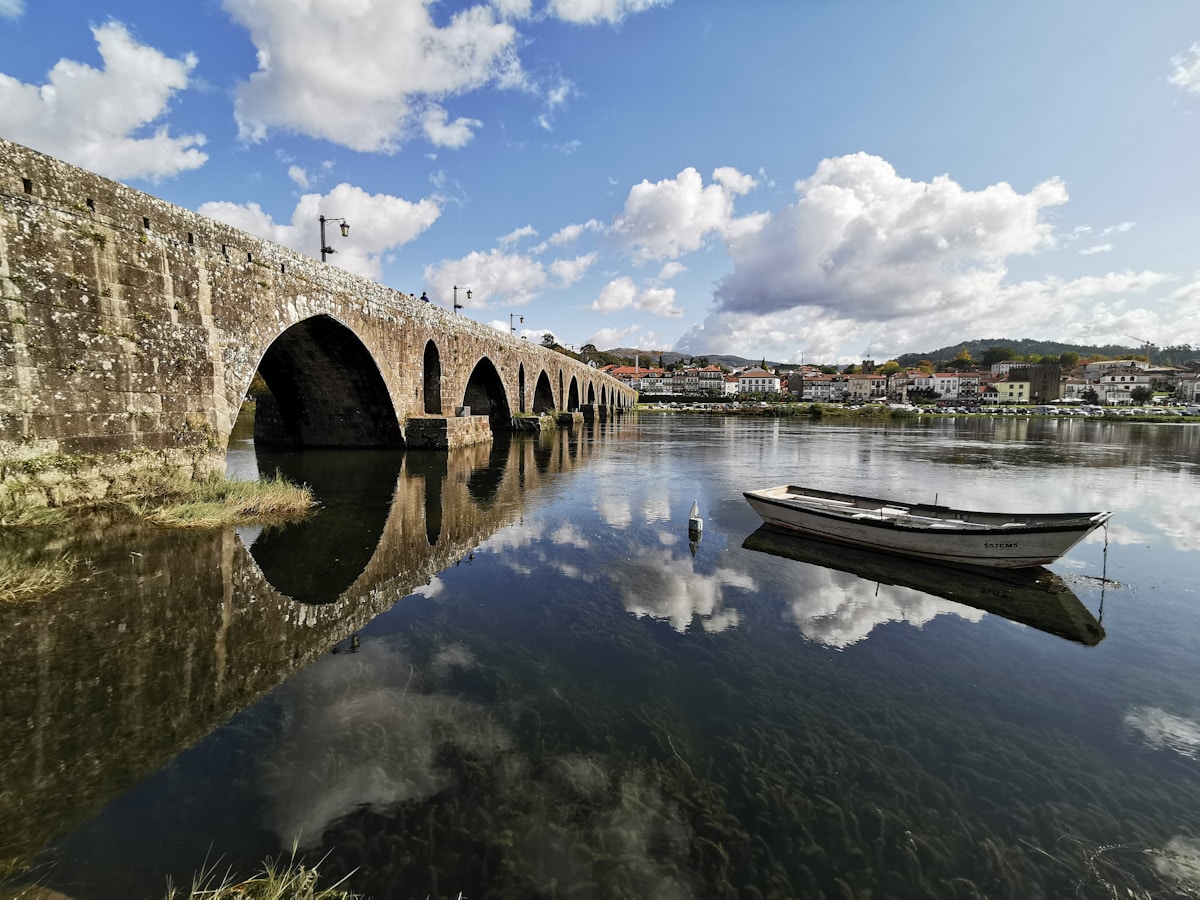
Porto is well-positioned for day trips across northern Portugal - the Douro Valley, Braga, Guimarães, Aveiro, and the Minho region are all within 1.5 hours. This guide covers the best options with train times, costs, and what to prioritise at each destination.
Browse day tours from Porto if you’d prefer a guided excursion with transport.
Quick Comparison
| Destination | Transport | Approx. Cost (return) | Journey Time | Best For |
|---|---|---|---|---|
| Douro Valley | CP train to Pinhão | ~€24–28 as of 2026 | 2h30 | Wine, scenery |
| Guimarães | CP train | ~€7–10 as of 2026 | 1 hr | UNESCO history |
| Braga | CP train | ~€6–9 as of 2026 | 1 hr | Sanctuary, cathedral |
| Viana do Castelo | CP train | ~€13–18 as of 2026 | 1h30 | Coastal town, views |
| Arouca Geopark | Car | varies | 1 hr | Suspension bridge |
| Aveiro | CP train | ~€10–14 as of 2026 | 1 hr | Canals, Art Nouveau |
All costs approximate as of 2026.
Douro Valley Wine Country (2h30 by train to Pinhão)
The Douro Valley is one of Europe’s most spectacular wine regions - terraced vineyards cut into near-vertical schist hillsides along a river that drops through northern Portugal to Porto. The scenery is genuinely dramatic, and the wine - primarily Port, but increasingly high-quality still reds and whites - can be tasted directly at the quintas.
Getting there: CP Douro line from Porto’s São Bento station to Pinhão, approximately €11–14 each way as of 2026. Journey time around 2h30. The train follows the Douro River from Régua onwards - sit on the right side heading east for the best views. Trains are not frequent; check timetables at cp.pt and book ahead in peak season.
In Pinhão: The village itself is tiny, with a main square and a railway station decorated with blue-and-white azulejo tile panels depicting scenes of harvest and river life. From here, several quintas are accessible on foot or by taxi.
Quinta do Crasto, Quinta de la Rosa, and Quinta do Vallado are among the most visited and welcome visitors for tastings and cellar tours, approximately €10–30 per person as of 2026 depending on the flight. Book ahead via the quinta websites. Most include a tour of the winemaking facilities and a sit-down tasting with views across the terraces.
River boat tours operate from Pinhão in summer - shorter rabelo boat trips on the Douro, typically 1–1.5 hours, are available from the village dock (approximately €15–25 per person as of 2026).
Returning: Evening trains from Pinhão to Porto run until approximately 7–8 pm depending on the season - check the timetable before you go to avoid being stranded. The last train is not late.
For organised tours including wine tastings and transport, see Douro Valley tours.
Guimarães (1 hr by train)
Guimarães is the birthplace of Portugal - the first capital of the Portuguese kingdom and a UNESCO World Heritage listed city. It is compact, well-preserved, and less visited than other Portuguese cities.
Getting there: CP train from Porto Campanhã or São Bento, approximately €3.50–5 each way as of 2026. Journey approximately 1 hour.
Guimarães Castle (Castelo de Guimarães, c. 950 AD): the castle where Afonso Henriques, first king of Portugal, is said to have been born. Entry approximately €2 as of 2026. Climb the tower for views over the city.
Palace of the Dukes of Bragança (Paço dos Duques): a 15th-century palace with a notable Flemish tapestry collection and decorated interior. Entry approximately €5 as of 2026.
Largo da Oliveira is the main medieval square - cobblestoned, lined with galleried buildings, and with the Gothic canopy of the Our Lady of Olive Tree shrine as its centrepiece.
The Guimarães things to do guide covers the main sights in more detail. Budget 3–4 hours to cover the historic centre at a comfortable pace.
Braga (1 hr by train)
Braga is Portugal’s religious capital - a city of baroque churches, pilgrimage routes, and the oldest cathedral in the country. It’s livelier and less tourist-facing than Guimarães, with a good restaurant scene.
Getting there: CP train from Porto, approximately €3–4.50 each way as of 2026. Multiple services daily, journey about 1 hour.
Bom Jesus do Monte is the defining sight - a hilltop sanctuary with a baroque staircase of 577 steps, decorated with fountains representing the five senses and the three virtues. The pilgrimage route climbs through forested hillside; the funicular (free) takes you to the top in 3 minutes. The church itself is of moderate interest; the staircase and gardens are the real draw. About 3km east of the city centre - taxi approximately €8.
Braga Cathedral (Sé de Braga): The oldest cathedral in Portugal, begun in 1070. The interior has 14 different chapels showing successive architectural periods from Romanesque to baroque. Entry to some areas approximately €2 as of 2026.
Jardim de Santa Bárbara is a 17th-century garden adjacent to the former archbishop’s palace - well-maintained and free to enter.
The Braga things to do guide covers the city in full detail.
Viana do Castelo (1h30 by train)
A coastal city at the mouth of the Lima River in the Minho region, with a historic centre, excellent seafood, and a hilltop basilica.
Getting there: CP train from Porto Campanhã, approximately €6.50–9 each way as of 2026. Journey 1h30–1h45.
Basílica de Santa Luzia overlooks the city from a hill 200 metres above the river. Built in the early 20th century in a neo-Byzantine style, with a panoramic terrace. Cable car from the town (approximately €3 each way as of 2026) or a steep 20-minute walk. The views extend over the Minho estuary, the Atlantic, and into Galicia.
Praça da República in the centre has a Gothic fountain and the Renaissance Misericórdia building, considered one of the finest in Portugal.
Traditional embroidery: Viana do Castelo is known for its distinctive regional embroidery (bordado de Viana) and gold filigree jewellery - on sale in shops around the main square.
Arouca Geopark & the 516 Suspension Bridge (1 hr by car)
Arouca Geopark in the Serra de Freita is a UNESCO-listed geological park with exceptional trilobite fossils and a dramatic natural river gorge. The main visitor draw since 2021 is the Arouca 516 suspension bridge over the River Paiva.
Getting there: No direct public transport from Porto; best reached by hire car (about 1 hour via the A32 motorway). Some organised tours run from Porto - check Porto day tours.
Arouca 516: At 516 metres long and 175 metres above the Paiva River, this was the world’s longest pedestrian suspension bridge at opening. The crossing takes 5–10 minutes; it’s not particularly frightening by suspension bridge standards, though wind can make it lively. Entry approximately €15–20 as of 2026. Book tickets online at aroucageopark.pt - popular slots in summer sell out weeks ahead.
The Passadiços do Paiva (Paiva Walkways) are an 8.7km wooden boardwalk trail along the Paiva River - excellent scenery, considered one of the best short hikes in northern Portugal. Entry approximately €8–10 as of 2026.
Aveiro (1 hr by train)
Aveiro is sometimes called the Venice of Portugal for its canal system and flat-bottomed moliceiro boats - a reasonable comparison for the main tourist canal, less so for the broader city. It’s genuinely charming for a half-day and quick to reach from Porto.
Getting there: CP train from Porto Campanhã or São Bento, approximately €5–7 each way as of 2026. Journey approximately 1 hour.
Moliceiro boat tour: The moliceiro are traditional painted boats that were originally used for harvesting seaweed. Short canal tours (30–40 minutes) cost approximately €10–12 per person as of 2026 and depart regularly from the main canal. More scenic than productive, but a good way to see the Art Nouveau buildings from the water.
Art Nouveau architecture: The area around the canal has a concentration of ornate early-20th-century buildings decorated with painted tile panels, ornamental ironwork, and elaborate facades. The Museu de Arte Nova is housed in one of the best examples.
Ovos moles: Aveiro’s most famous food - small oblongs of egg yolk and sugar wrapped in thin wafer, shaped like shells or fish. Sold at pastelarias throughout the city. Approximately €1–2 each as of 2026; buy a box as a take-home gift.
Costa Nova: A beach village 9km from Aveiro with distinctive striped houses (palheiros) painted in bold vertical stripes - red/white, blue/white, yellow/white. The lagoon beach here is calmer than the Atlantic-facing dunes further along. Bus from Aveiro (approximately €2.50 as of 2026).
Practical Notes
- Douro Valley: Take a picnic from Porto for the train if you plan to spend most of the day at quintas - eating options in Pinhão village are limited.
- Braga + Guimarães in one day: Feasible if you start early. Take the first train to Guimarães, spend 2.5–3 hours, then local bus or train to Braga, then direct train back to Porto.
- Buying train tickets: Buy at station machines or at cp.pt. The Andante card is used in Porto itself; for intercity trains you buy a separate ticket.
For our full Porto city guide, see the Porto travel guide. For hotel options, see the Porto hotel guide.
Search hotels in Porto on Booking.com to compare rates and availability.