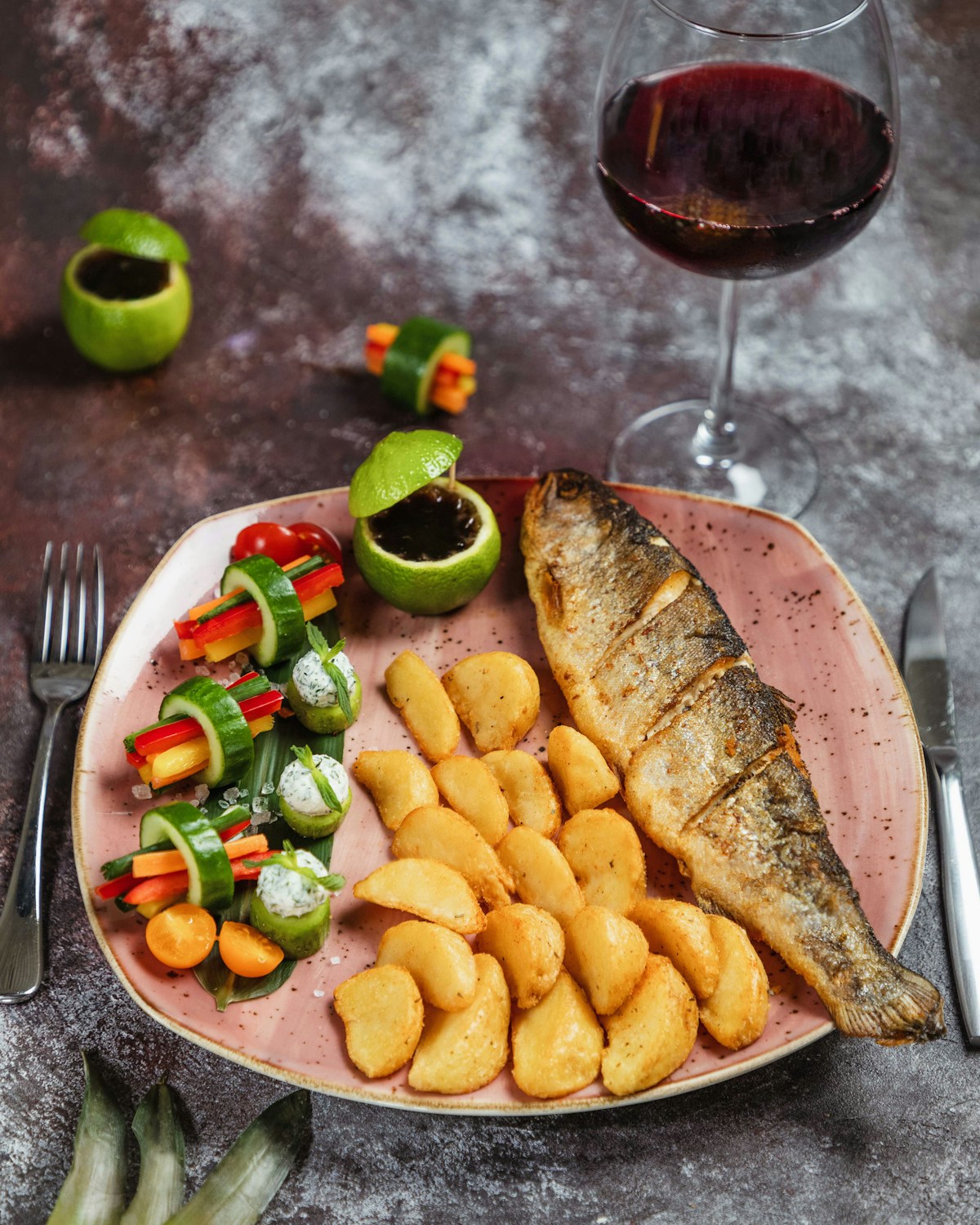
Pico is the island of wine and cheese - two products of exceptional quality that are specific to this island and rooted in its extraordinary volcanic landscape. But the same ocean that shapes the island’s character also supplies its tables with excellent tuna, lapas, and caldeirada, and the cattle that graze the slopes of Mount Pico produce the milk for some of the finest dairy in the Azores. It is a serious food island, though you wouldn’t necessarily know it from the rough stone walls of the vineyards or the spare simplicity of its villages.
Verdelho Wine - UNESCO-Listed Vineyards
Pico’s wine culture is among the most unusual in Europe. The island’s Verdelho vines grow in a dense network of lava-field enclosures - small rectangular plots separated by low basalt walls (currais) that protect the vines from Atlantic wind and trap the day’s heat. This patchwork covers a substantial stretch of Pico’s southern coast and was classified as a UNESCO World Heritage landscape in 2004.
The wine produced here is Verdelho - a grape that can produce both dry table wine and the fortified Madeira wine it shares a name with. On Pico, the dry Verdelho is the main product: golden in colour, with mineral, citrus, and slight saline notes from the volcanic soil. There is often a faint oxidative quality that sets it apart from any other Portuguese white wine.
Cooperativa Vitivinícola da Ilha do Pico (Madalena) is the main producer and offers tastings most days. The Museu do Vinho in São Roque do Pico is the best place to understand the wine’s history and the extraordinary effort that went into cultivating vines on raw lava. Both are worth visiting.
A bottle of Pico Verdelho at a local shop costs approximately €7–14. In restaurants, expect to pay €4–7 per glass.
Queijo do Pico (Pico Island Cheese)
Queijo do Pico has DOP (Protected Designation of Origin) status - it can only be made on Pico using the island’s own cow’s milk. It is a semi-soft, washed-rind cheese with a mild, slightly acidic flavour, eaten fresh or after a brief aging period of a few weeks.
The fresh version (queijo fresco) is snow-white, almost spreadable, and delicately milky. The slightly aged version develops a firmer texture and a more pronounced tang. Neither is sharply flavoured - this is a subtle, clean-tasting cheese that pairs excellently with the island’s Verdelho.
You can buy Queijo do Pico from the dairy cooperative near Madalena or from supermarkets across the island. It is also sold at several small farm shops near the inland villages. A 200g piece costs approximately €3–6.
In restaurants, it often appears as part of a queijadas (small cheese tarts) dessert or served on a cheese board alongside honey and local jam.
Lapas (Grilled Limpets)
Lapas are the unavoidable first course across all the Azores, and Pico is no exception. The island’s basalt coast produces excellent limpets - collected at low tide, grilled on the shell with garlic butter, and served sizzling. They are best eaten standing at a bar during the mid-afternoon, when the first limpet boats come in.
Most restaurants in Madalena and Lajes do Pico serve lapas. Expect €8–12 for a starter portion of eight to ten. The ones served directly at the fishing harbour in São Roque on weekday mornings - eaten at a picnic table while looking at the ocean - are an unplanned pleasure.
Fresh Tuna (Atum)
Pico was one of the last working whaling islands in the world - the town of Lajes do Pico had an active whaling operation until 1987, and the island’s relationship with large ocean creatures is deep and complicated. Today, the hunt is for tuna rather than sperm whales, and fresh atum is one of the island’s great treats.
Bluefin tuna is the prize catch - sold by the portion as thick, dense steaks, grilled simply with olive oil and sea salt, or eaten slightly seared with the centre still rare. In season (April–October), it appears on most menus in Lajes and Madalena. Yellowfin tuna is also common and slightly cheaper.
The old whaling museum (Museu dos Baleeiros) in Lajes do Pico provides context for the island’s maritime history and is worth visiting alongside the food.
Isco - Fermented Tuna Paste
Isco is a traditional product that almost disappeared with the whaling industry and is now made in very small quantities. It is prepared from pieces of tuna marinated in brine and left to ferment slowly over weeks or months - a method of preservation developed in the era before refrigeration, when a large tuna catch had to be used quickly or preserved for later.
The result is a dark, intensely flavoured paste with a strong brine and fish character. It is spread on bread and eaten as a snack or appetiser. It is not for everyone - the flavour is powerful, in the category of anchovies or strong aged fish sauce - but it is historically significant and authentically Pican.
You can find isco at the Cooperativa Vitivinícola da Ilha do Pico in Madalena, which sells it alongside the island’s wines as part of a tasting experience. Very few other shops stock it.
Carne Guisada and Traditional Meat Dishes
Pico’s cattle are not as celebrated as Terceira’s, but the island still produces good beef and pork. Carne guisada (braised meat with tomato, wine, and bay leaf) is the most common preparation - a weekday home dish that appears on daily specials at simpler restaurants. The beef here is grass-fed on the volcanic pasture slopes, which gives it a slightly different flavour profile from mainland Portuguese beef.
Chouriço, linguiça, and smoked pork products are produced on-island and available at local butchers. Whole smoked chorizos make excellent hiking provisions.
Where to Eat on Pico
Ancoradouro (Madalena, near the marina) is widely considered the best restaurant in the island’s main town. The kitchen uses local fish, cheese, and wine with care and some creativity. Mains approximately €16–24.
Cella Bar (Madalena) is architecturally striking - housed in a converted church - and serves a menu that takes Azorean ingredients more seriously than most. Wine list focused on Pico Verdelho. Mains approximately €18–28. Booking recommended.
Restaurante O Ancinho (Lajes do Pico) is the reliable choice in the island’s southern town - simpler, cheaper, and closer to the old fishing port. Good lapas, daily fresh fish, and a solid house Verdelho. Mains approximately €10–16.
For lunch on hiking days, the village of Santo António near the island’s eastern tip has a small café serving daily specials at approximately €7–9.
Practical Food Tips
Pico is quieter than Terceira or São Miguel, and restaurant options outside Madalena and Lajes are limited. If you are staying in a rural quinta or hiking to remote parts of the island, pack provisions - villages in the interior may have nothing beyond a small café with a coffee machine and packaged pastries.
Wine is extremely good value on Pico. A bottle of island Verdelho in a supermarket costs €6–10; the same bottle in a Lisbon wine shop might cost €15–20. Stock up here.
The island’s Adega Cooperativa (Cooperative Winery) runs regular tours and tastings - approximately €8–15 per person depending on the tasting level. They are one of the best organised winery experiences in the Azores and worth two to three hours of your time.