Tomar sits in the Ribatejo - historically the transitional region between northern Portugal’s mountains and the flat Alentejo plain, divided by the Tagus and its tributaries. The food here is rooted in river, pasture, and farmyard rather than coast: river fish, lamb, pork, broad beans, and the robust breads that define central Portuguese country cooking. See our Tomar city guide for context and transport, and our things to do guide if you’re planning a full day visit.
What to Eat
Savelha (Allis Shad): A river fish caught in the Tagus during its spring migration upstream (typically April–June). The flesh is flavourful but extremely bony - the traditional Ribatejo preparation involves slow-cooking the fish at low temperature for several hours to soften the bones to the point of edibility. Grilled savelha with olive oil and vinegar is the simplest preparation; escabeche (marinated in vinegar, onion, and bay) is another common version. Seasonal, and worth ordering if you visit in spring. Expect approximately €14–18 per portion as of 2026.
Lampreia (Lamprey): A jawless river fish caught between January and April, when it migrates up from the sea. Traditional preparation is lampreia à bordalesa - cooked in its own blood with red wine, onion, and bay, served with rice. The flavour is intensely gamey and unlike any other Portuguese dish. The best lampreia in the region comes from rivers closer to the coast (Minho, Mondego), but Ribatejo restaurants carry it during season. Ask whether it is fresh (fresca) or frozen (congelada) - fresh is significantly better. Approximately €18–25 per portion.
Ensopado de Borrego: Lamb pieces slow-braised with tomato, garlic, and white wine, served on thick slices of bread that absorb the sauce. A dish of the Ribatejo and Alentejo pastoral tradition - rural, filling, and made from animals raised locally. A reliable version appears on most traditional restaurant menus in Tomar. Approximately €12–16 per portion.
Caldeirada de Enguias (Eel Stew): Freshwater eels from the Tagus and Nabão river tributaries, stewed in a tomato, onion, and potato broth with olive oil and coriander. A dish of the river communities that farmed and fished the Tejo flood plain. Less common on restaurant menus than it once was but still found at tascas in town and villages nearby. Approximately €12–16 per portion.
Migas: A dense side dish made from moistened cornbread or wheat bread mixed with garlic, olive oil, and sometimes bacalhau or pork crackling (torresmos). It functions as a bread-based starch alongside grilled meats or fried fish. In the Ribatejo version, broad beans (favas) are often folded in. Served as a side rather than a main; common at traditional tascas.
Filhós: Round doughnut-like fried pastries associated with Tomar specifically because of the Festa dos Tabuleiros, where they are traditionally made and shared. Available at Tomar’s pastelarias year-round, particularly at festival time. Coated in sugar and cinnamon. Approximately €0.50–1 each. Also made for Christmas in this region.
Fatias de Tomar: A local egg-based sweet - slices of bread dipped in egg yolk and sugar syrup, then fried. A variant of the widespread rainha Madalena or fatias douradas tradition, particular to Tomar’s pastry shops. Approximately €1–1.50 each.
Queijo de Tomar: A semi-hard sheep’s milk cheese produced in the Ribatejo region around Tomar. Milder than Serra da Estrela, with a firm rind and a slightly salty flavour. Found at the local market and in good cheese shops in the town centre. A small wheel costs approximately €6–10.
Tejo Wine
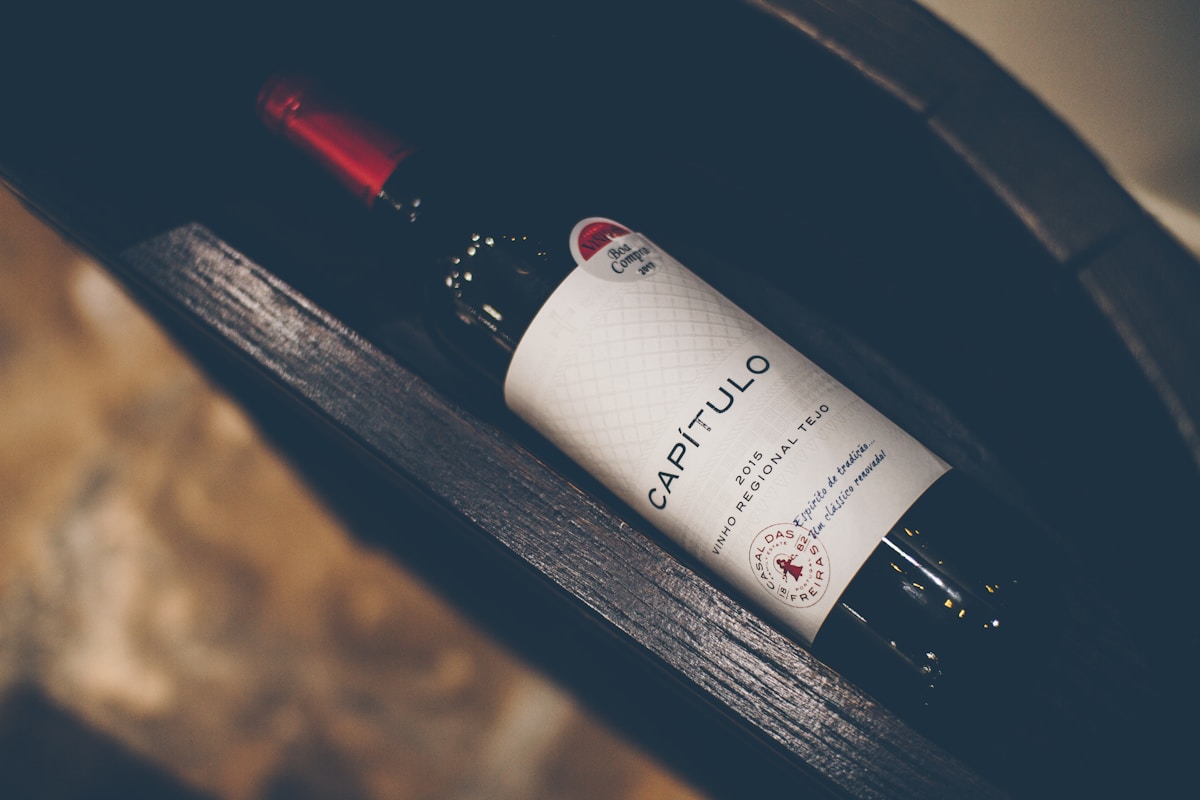
The Vinho Regional Tejo designation covers the Tagus valley in central Portugal, with the Tomar area at its northern limit. The region produces reds based on Castelão, Trincadeira, and Aragonês, and whites from Fernão Pires and Arinto - generally approachable wines at moderate prices. The Quinta de Cardiga estate (in the Golegã area, roughly 30km south) and Quinta da Alorna are among the larger known producers in the regional DOC. In Tomar restaurants, a decent Tejo red or white costs approximately €12–20 per bottle.
Where to Eat
Taberna Antiquvm - The most-recommended restaurant near the Convento de Cristo area, in the lower town on Rua Serpa Pinto. Reliable traditional cooking - the arroz de pato (duck rice) and bacalhau preparations are consistently good. A regional wine list at fair prices. Mains approximately €13–19. Reservations recommended in summer.
Restaurante Bela Vista - Long-running tasca on Rua Marquês de Pombal, a short walk from the Praça da República. No frills, local clientele, and a daily changing prato do dia (daily special) at approximately €9–12 including soup, main, and a drink. The ensopado de borrego appears regularly on the weekly rotation.
Café Paraíso - Historic café on the Praça da República since the early 20th century. The place for a morning pastry and espresso (approximately €0.80) before the Convento opens. The pastel de nata and filhós are both made in-house. The tiled interior and slow morning pace are part of the experience.
Restaurante Tabuleiro - Mid-range option on the main square, better for an evening meal than a quick lunch. The menu leans toward Ribatejo standards with some fish options added for visitor tastes. Mains approximately €14–20. The wine list covers regional Tejo producers. Good for groups.
Mercado Municipal - The covered market on Avenida Norton de Matos operates in the mornings. Fresh vegetables from the Ribatejo plain, river fish on Fridays when available, local sheep’s milk cheeses, and Tomar honey. Worth a visit if you are in town on a weekday morning.
To go beyond self-guided eating, tours in Tomar include food-focused walking tours that visit local markets, tasca restaurants, and artisan producers.
Keep data handy for Google Maps and restaurant research - an eSIM for Portugal works across Portugal from the moment you land.
Take a Guided Food Tour of Tomar
Tomar’s food is rooted in the Ribatejo — seasonal river fish from the Tagus (savelha in spring, lamprey from January to April, eel stew year-round), ensopado de borrego lamb stew, and Tejo wines from the Ribatejo valley at prices well below what you’d pay in Lisbon. A guided food tour covers the Mercado Municipal on Avenida Norton de Matos for local sheep’s milk cheese, regional honey, and river fish on Fridays, finds Taberna Antiquvm for a reliable arroz de pato or bacalhau preparation, and explains the Festa dos Tabuleiros pastry tradition behind Tomar’s filhós and fatias.
Browse food tours in Portugal on GetYourGuide.
Quick notes
Lunch hours: Most restaurants in Tomar serve lunch from 12:00–15:00 and dinner from 19:00–22:30. The town quiets mid-afternoon.
Budget eating: A prato do dia (daily lunch special) at a local tasca typically costs €8–12 including soup, main, bread, and a glass of wine or water. These are the best-value meals in town.
Vegetarian options: Less prominent than in Lisbon or Porto. Migas, soups, egg dishes, and cheese are reliable options; most tascas will prepare something without meat if asked.