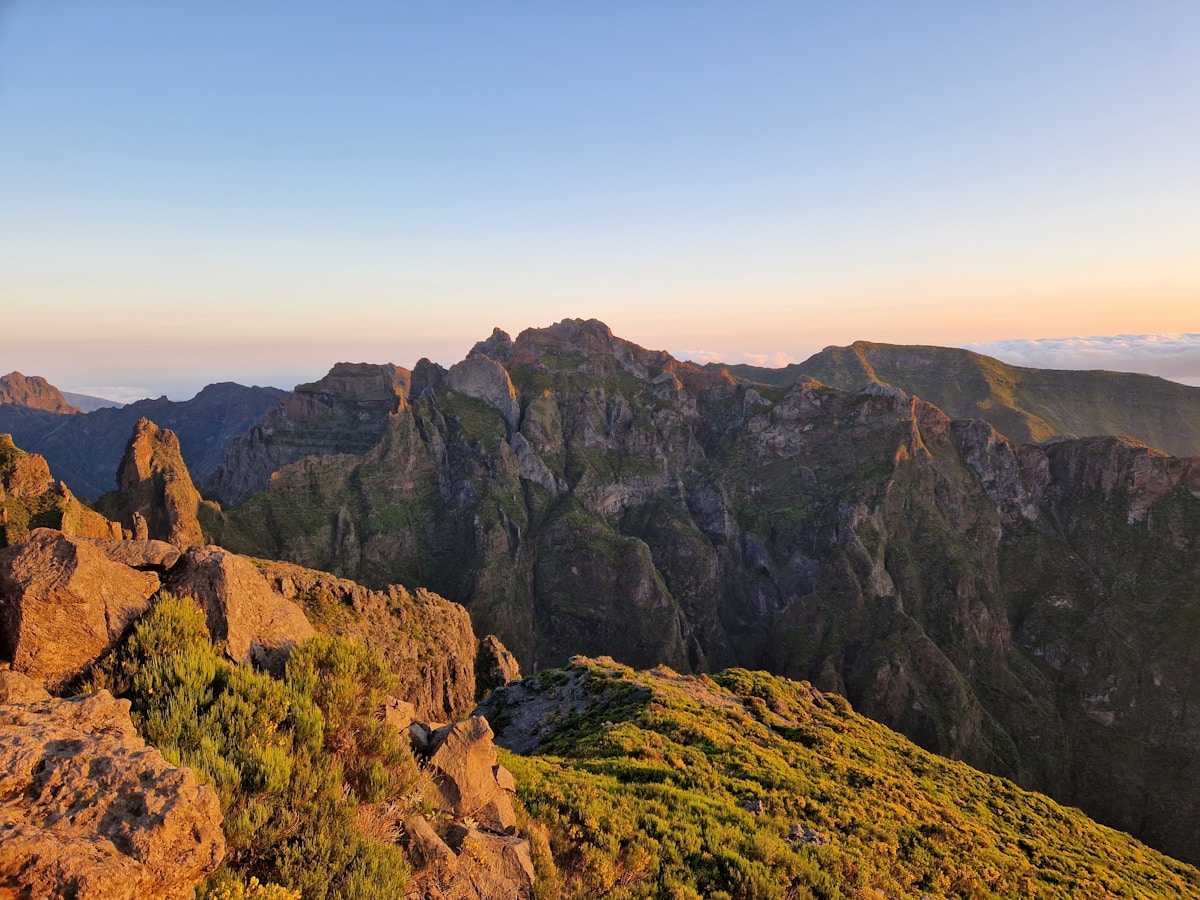
Flores Island Guide - The Azores' Wildest, Greenest Island
Flores island guide - dramatic waterfalls, twin crater lakes, minimal tourism, and how to reach the most remote Azores island.
Guides for Flores
Flores is the westernmost inhabited island in the Azores, and by extension one of the westernmost points of Europe. At 143km² with a population of 3,900 split across eight parishes, it is among the smallest and least-visited Azores islands. The capital is Santa Cruz das Flores (population ~2,000) on the east coast.
The island’s name - “Flowers” - reflects the dense hydrangea coverage that lines every road and field boundary in summer. The landscape is aggressively green: rainfall here exceeds that of most Azores islands, which already receive substantial precipitation. The result is a saturated environment of waterfalls, crater lakes, and clifftop bog that rewards patience and good waterproofs.
Getting There
Flores Airport (FLW) is near Santa Cruz das Flores. SATA operates connecting flights from Lisbon via Ponta Delgada (São Miguel); there are no direct Lisbon–Flores services. The connection in São Miguel involves a same-day or overnight stop depending on schedules. Check SATA’s timetable; summer frequency is significantly higher.
Inter-island ferry service to Flores is infrequent and weather-dependent - flying is the practical option for most itineraries.
Hire a car at the airport immediately. There is no usable public transport; distances are small but the roads are steep and winding.
Cascata do Poço do Bacalhau
The most dramatic waterfall in the Azores. A single drop of approximately 100m falls from a basalt cliff into a pool below, accessible via a short path from the main road near Fajã Grande in the southwest of the island. There is no admission charge; the pool is swimmable in summer.
Around Fajã Grande, two other smaller falls (Cascata das Flores) are visible from the same area. The entire fajã (coastal platform) is geologically interesting - flat platforms created by ancient lava flows and subsequent erosion.
Crater Lakes
Flores has several small crater lakes.
Caldeira Funda - the most photogenic, with unusually blue water surrounded by steep walls. Access via a path from the EN1 road above Santa Cruz.
Caldeira Comprida - an elongated caldera lake in the interior. Less visited than Caldeira Funda; the access path is rougher.
Both lakes are typically calm and swimmable in July–August. They are also frequently cloud-covered - arriving at a viewpoint shrouded in mist is common even in summer.
Santa Cruz das Flores
The capital is a small harbour town with a church (Igreja Matriz, 18th-century), a handful of cafés, and a small ethnographic museum. The Museum of Flores (Museu das Flores) covers island history, including the whale-hunting traditions common to all the western Azores. Entry is free.
The town’s harbour sees occasional inter-island ferry traffic and some yachts passing through on transatlantic crossings.
What to Expect
Flores is not a resort island. Accommodation consists of a few guesthouses and small rural houses - Turismo Rural properties rented directly. Guesthouses in Santa Cruz das Flores typically run from approximately €65–90 per night for a double room; rural quinta properties range from €80–130 depending on the season. There are no large hotels, no nightlife, and no facilities beyond the basics. The restaurants in Santa Cruz das Flores and Lajes das Flores serve straightforward local food - fish, potatoes, cheese - with mains typically in the €10–16 range.
The island’s comparative emptiness is itself the attraction. In July and August, the hydrangeas turn the roadsides blue and pink. The waterfalls run all year but are most powerful after autumn rains. The crater lakes are clearest in early summer.
Budget 2–3 days minimum; 4–5 days if you want to walk every accessible trail. For travellers who have visited São Miguel and Terceira and want something genuinely different, Flores is worth the extra logistics.
Planning Your Stay
For accommodation options - guesthouses, Turismo Rural properties, and what to expect - see our Flores hotels guide. For the full list of hikes, waterfalls, and what to fill extra days with, see things to do on Flores.
For guided experiences on Flores, browse tours in Flores - full-day waterfall and lagoon tours, and guided hiking are the most popular.
an eSIM for Portugal works across the Azores and Madeira, giving you mobile data for navigation and booking updates. Consider travel insurance for island hiking and water activities.
Flores in the Azores
Flores is part of the western group - the remotest islands in the archipelago. The Azores region guide covers all nine islands and provides context for how Flores fits into a longer island-hopping trip. The Azores island-hopping itinerary focuses on the more accessible central group, but includes advice on extending to Flores for travellers with more time. The new Air Canada Azores-Toronto nonstop route may make transatlantic access easier for North American visitors combining Flores with São Miguel. For a whale watching add-on before or after Flores, Pico and Faial - both better equipped than Flores - are reachable via SATA inter-island flights. Our whale watching Azores guide covers the practical logistics of combining the central islands with extended trips. The Madeira vs Azores comparison is useful for first-time Portuguese island visitors choosing between the two groups - Flores is a strong argument for the Azores if wildness and isolation are the priority. Search hotels in Flores Azores on Booking.com to compare rates and availability.
Frequently Asked Questions
- How do I get to Flores island?
- SATA operates connecting flights from Lisbon via São Miguel (PDL). There is no direct service from Lisbon. Total journey time is typically 4–5 hours including connection. Summer frequency is higher than winter.
- Is Flores suitable for independent travellers?
- Yes, but infrastructure is minimal - a handful of guesthouses, few restaurants, and no large hotels. Hire a car at the airport; there is no public transport worth using.
- When should I visit Flores?
- June–September. Outside that window, the island is frequently cloud-covered and wet, and some guesthouses close for the off-season.
Book an experience
Top experiences in Flores
Explore the best tours and activities in Flores, with instant confirmation and free cancellation on most bookings.
Where to stay in Flores: Find hotels in Flores →