Comporta Travel Guide - Beach Town, Rice Fields & Flamingos
Comporta guide: 30 km of unspoiled Atlantic beach, rice fields with flamingos, thatched beach bars, and the low-key alternative to the Algarve.
Comporta is a small coastal settlement on the Setúbal Peninsula, roughly 120 km south of Lisbon across the Sado estuary. It sits between the Atlantic Ocean to the west and a patchwork of rice fields and cork oak plantations to the east. The combination — 30 kilometres of near-empty beach, lagoon wetlands with flamingos, and a village of whitewashed fishermen’s cottages that has been quietly acquired by designers, architects, and well-heeled Lisboetas — gives Comporta a character entirely its own in Portugal.
It is not a typical resort. There is no promenade, no nightlife strip, and very little by way of tourist infrastructure. That is precisely the point.
Getting to Comporta
The most practical approach is to drive from Lisbon, cross the Sado estuary by ferry from Setúbal to Tróia (the ferry runs roughly every 30-60 minutes year-round; approximately €11-12 per car as of 2026), and then drive south along the peninsula for 30 minutes. Total time from central Lisbon is 1h30-1h45 in normal traffic. The A2 motorway from Lisbon to Setúbal is fast; the N253 south from Tróia is a slow, straight road through pine plantations that makes it clear you have left the city behind.
There is no practical public transport to Comporta. Buses from Setúbal to Comporta exist but are infrequent and do not connect well with Lisbon. For day trips, a car is the only realistic option.
Beaches
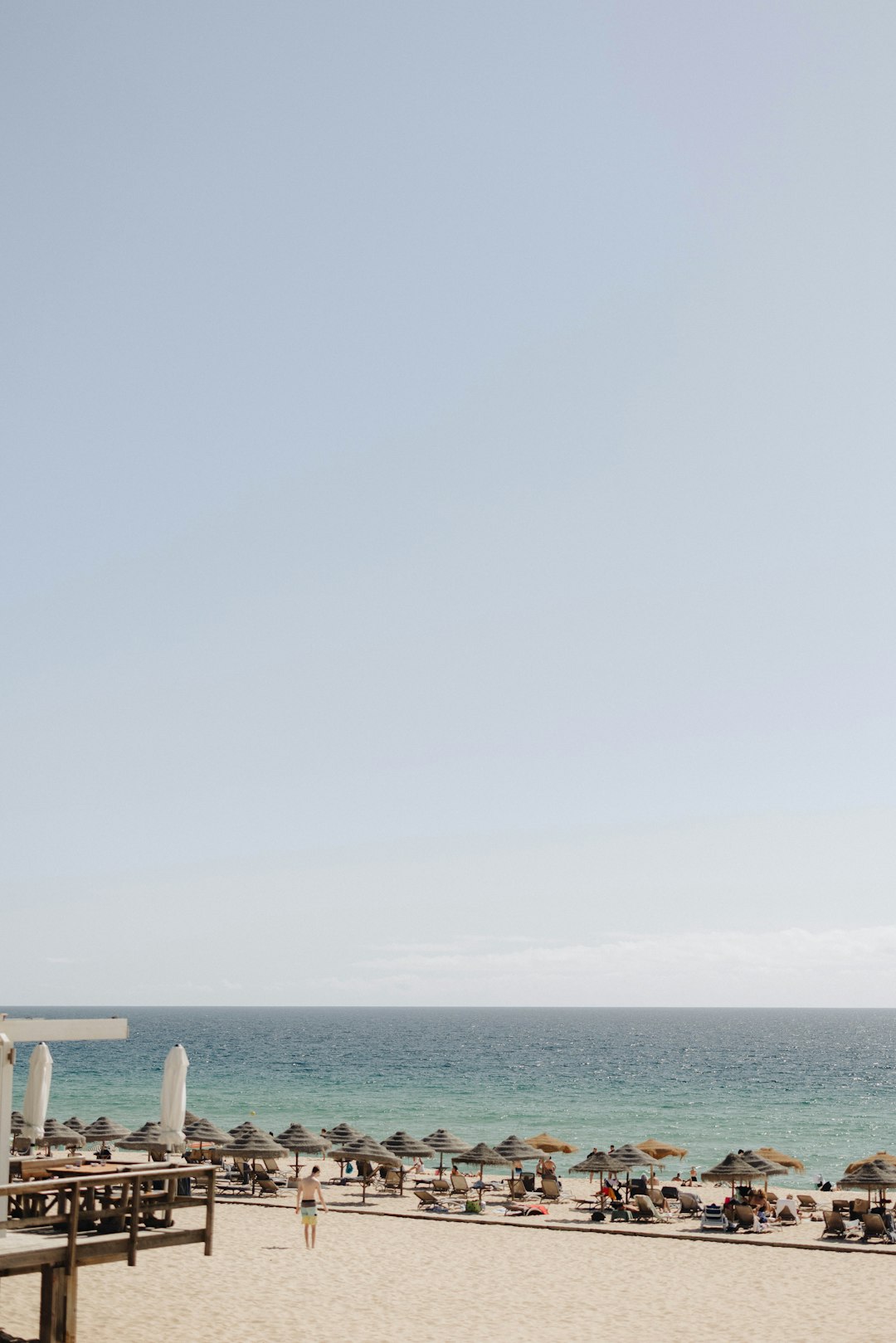
Praia de Comporta is the main beach, directly below the village. It is wide, flat, and west-facing, which means consistent Atlantic swells and dramatic sunsets. In summer, several beach bars set up with thatched umbrellas and loungers (approximately €10-15 per day), cold drinks, and grilled fish. The beach is large enough that it never feels overcrowded except on the most intense August weekends. Out of season it is almost completely empty.
Praia do Pego sits 10 km north, closer to the estuary. It is smaller, less developed, and backed by dunes. This is the beach that appeared in magazines and became associated with the Comporta aesthetic — thatched parasols, white linen, unbothered elegance.
Praia do Carvalhal is 15 km south of the village, broader and wilder, backed by pine forest rather than dunes. It attracts fewer visitors and has no beach infrastructure — bring everything you need.
The Sado Estuary and Birdwatching
The Sado Estuary Natural Reserve runs along the eastern edge of the Comporta region. It is one of the most important wetland habitats in the Iberian Peninsula and supports a resident population of bottlenose dolphins alongside significant bird populations.
Flamingos are the main draw. Several thousand overwinter in the estuary from October through March, visible from the rice field roads east of Comporta. Egrets, spoonbills, herons, and black-winged stilts are present year-round. The rice fields around Comporta and Alcácer do Sal are managed with bird habitat in mind and function as a natural wetland extension of the estuary. Early morning and late afternoon are the best times.
A few local guides offer kayaking and birdwatching tours through the estuary; ask at Sublime Comporta or through the local tourism office. For horseback riding, birdwatching, and estuary boat tours based in Comporta, browse Comporta tours on GetYourGuide.
Where to Eat
Sal (Rua do Comporta) is the village’s best-known restaurant — open-air under vines, serving Alentejo dishes with a light contemporary touch. Grilled sea bass (approximately €22-26), açorda de marisco (seafood bread porridge), and excellent local wines. Dinner for two with wine runs approximately €70-90. Busy from June through September; book ahead.
Museu do Arroz occupies a converted rice mill between the village and the estuary. The setting is architecturally interesting — exposed industrial bones, water views — and the menu runs from local oysters (around €12-15 for a half-dozen) to slow-cooked pork from nearby farms. It also functions as a cultural space with occasional exhibitions.
Torre das Águas is the beach restaurant on Praia do Comporta in summer, serving grilled fish, salads, and sangria directly on the sand. Expect €20-30 for lunch. Cash and card accepted.
For self-catering, the small village shop stocks basics; for a proper market, Alcácer do Sal (30 km north) has a weekly market on Saturdays.
Where to Stay
Sublime Comporta (Herdade do Pinheiro) is the leading address in the area — a collection of villas and suites across 100 hectares of cork oak and pine. Rates from approximately €350-600 per night in peak season, dropping to €180-280 in spring and autumn as of 2026. The property has two restaurants, a spa, cycling paths, and a kids’ club. Book well in advance for July and August.
Casas na Areia (Comporta village) is a small design hotel of eight whitewashed cottages set in a garden of tamarisk trees. Interior design draws on local crafts — handwoven textiles, cork furniture, Alentejo ceramics. Rates from approximately €200-400 per night in summer. The setting is quieter than Sublime and closer to the village.
Quinta da Comporta is a rural guesthouse on the rice field roads east of the village. Five rooms, a pool, and gardens. More affordable than the luxury properties — from approximately €120-200 per night — and a good base for birdwatching. Owners speak English and arrange local guided tours.
For budget travellers, Alcácer do Sal (30 km north) has several guesthouses from €50-80 per night and is a reasonable base for day trips to the beaches.
For our full accommodation guide with specific hotel recommendations across all budgets, see Where to Stay in Comporta.
What to Do Beyond the Beach
Alcácer do Sal is a small Moorish town 30 km north, built on a hill above the Sado estuary. A Moorish castle (converted into a pousada), a Roman cemetery, and a pleasant riverside walkway make it a good half-day excursion. The old town is not on any tourist trail and is all the better for it. Entry to the castle and archaeological museum costs approximately €3.
Grândola (45 km east) is a market town with no particular sights but a famous association — it is the town name-checked in the revolutionary song “Grândola, Vila Morena,” broadcast on Portuguese radio at midnight on 25 April 1974 as the signal for the Carnation Revolution. A cultural footnote worth knowing.
Cycling through the rice field roads and pine plantations surrounding Comporta is popular. The terrain is flat, distances manageable, and traffic light. Sublime Comporta loans bicycles to guests; independent hire is possible in the village.
When to Go
July and August are peak season — beaches are busy by Portuguese standards, prices are highest, and Lisboetas fill the village at weekends. The weather is reliably hot (28-33°C) and dry.
May, June, September, and October offer the best balance: warm enough for swimming, beaches near-empty, restaurants quieter, and rates 30-40% lower. The flamingos in the estuary are most visible from October through March. April is viable but some beach bars have not yet opened.
December through February is quiet and cold (12-16°C); some smaller accommodation closes entirely.
How Comporta Compares
Comporta vs the Algarve: The Algarve has more infrastructure, more to do, and better value for money at the mid-range. Comporta offers something different: a specific aesthetic, relative solitude even in summer, and a natural landscape that the southern coast largely cannot replicate. The rice fields, the estuary, and the sense of deliberate understatement make Comporta feel closer to the Camargue than to any Portuguese resort. It suits travellers who prioritise environment and atmosphere over activities and nightlife.
Comporta vs Setúbal/Arrábida: Setúbal and the Arrábida Natural Park sit 30km north of Comporta and offer some of Portugal’s clearest water — turquoise coves sheltered by limestone cliffs. Arrábida is better for snorkelling and dramatic coastal scenery; Comporta is better for long empty beaches and the estuary landscape. Both are underused relative to the Algarve. Arrábida can be done as a day trip from Lisbon; Comporta requires a car and overnight stay to feel it properly. Budget: Comporta runs expensive — restaurants and accommodation price towards the premium market. Mid-range options exist but are limited.
Frequently Asked Questions
- How do I get from Lisbon to Comporta?
- By car, take the A2 south, cross the Sado estuary on the Tróia ferry from Setúbal (20 minutes, runs every 30-60 minutes, approximately €3.30 per person and €11.40 per car as of 2026), then drive south along the peninsula for 30 minutes. Total journey time is around 1h30-1h45. There is no direct public transport — the ferry is the only reasonable non-driving option, but bus connections from Tróia to Comporta are infrequent. Renting a car is strongly recommended.
- Is Comporta expensive?
- Yes, more so than most of the Alentejo or the Algarve. Beachfront restaurants charge €30-50 per person for lunch including wine. Boutique hotels run €200-600 per night in July and August. Prices drop substantially outside peak season — May, June, September, and October offer the same beaches at 30-40% lower rates with far fewer visitors.
- What is the best beach in Comporta?
- Praia de Comporta is the most accessible, with a beach bar and thatched umbrellas stretching for several kilometres. Praia do Carvalhal (15 km south) is wider and wilder, less developed, backed by pine forest. Praia do Pego (10 km north) is the smallest and most intimate. All three face the Atlantic with excellent surf conditions outside summer.
- Are there flamingos in Comporta?
- Yes — the Sado Estuary Natural Reserve bordering Comporta to the north is one of the best places in Portugal to see flamingos, particularly from late autumn through spring when populations peak. The rice fields surrounding the village also attract egrets, herons, and ibis year-round. Bring binoculars for the estuary.
Book an experience
Top experiences in Comporta
Explore the best tours and activities in Comporta, with instant confirmation and free cancellation on most bookings.
Where to stay in Comporta: Find hotels in Comporta →