Beja Travel Guide - Alentejo Plains, Castle & the
Beja guide - Moorish castle over the Alentejo plains, cork oak landscapes, the Letters of a Portuguese Nun (17th-century), and 180km from Lisbon.
Guides for Beja
Beja is a city of around 35,000 people, the main urban centre of the Baixo Alentejo (Lower Alentejo) region, 180km southeast of Lisbon. It sits on a low hill above the vast wheat plains and cork oak woodlands of the Alentejo interior - one of the least populated and most agricultural regions in Western Europe. Beja functions as a regional agricultural and administrative hub and receives relatively few tourists compared to Évora, the more visited Alentejo city 78km to the north.
It was an important Roman city (Pax Julia, capital of the Roman province of Lusitania Transtag), and later an administrative centre under Moorish rule. The castle and parts of the historic centre date from these periods.
Getting There
By car from Lisbon: A2 southbound to Grândola, then IP8 eastbound to Beja. Approximately 180km, 2 hours.
By bus from Lisbon: Rede Expressos from Sete Rios, 2h15–2h30, running several times daily. This is the most practical public transport option.
By train from Lisbon: services run via Setúbal and Évora. Journey time is approximately 3 hours on the most direct route, with some connections taking longer. Check CP timetables - the service is infrequent.
Beja can also be approached from the Algarve: 120km from Faro by car on the IP2, approximately 1h30. The Alentejo region guide covers the wider landscape including Évora, the wine estates, and the Atlantic coast. Beja makes a natural overnight stop on a 2-week Portugal itinerary when driving between Lisbon and the Algarve - car hire in Portugal gives you the flexibility to take this southern route.
Castelo de Beja
The castle sits at the highest point of the city, visible for considerable distances across the plains. The current structure dates primarily from the reign of Dom Dinis (late 13th to early 14th century), built on foundations of Moorish and possibly Roman fortifications. The tower (Torre de Menagem), at 40 metres, is the tallest in the Alentejo and can be climbed for views extending across the flat plains in all directions - one of the most comprehensive panoramas of the agricultural Alentejo landscape available.
Entry to the tower costs €2. The castle grounds are free to enter. The views are best in spring when the wheat is green and in autumn when the stubble fields turn gold.
Convento da Conceição (Regional Museum)
The Convent of the Immaculate Conception, founded in 1459, is now the Museu Regional de Beja. The building itself is architecturally significant - late Gothic church, Manueline cloister, and 17th-century azulejo tile panels. The museum collections cover Roman archaeology (finds from Pax Julia), medieval Islamic art, and local ethnography.
The convent is associated with the legend of Mariana Alcoforado, the nun supposedly responsible for the “Letters of a Portuguese Nun” (Lettres portugaises) - five passionate love letters published in France in 1669, addressed to a French military officer named Noel Bouton de Chamilly who had been stationed in Beja. The letters were taken as genuine for centuries and inspired considerable romantic literature. Modern scholarship largely attributes them to the French writer Gabriel de Guilleragues, but the legend remains attached to this building. A small room is marked as Mariana’s cell.
Entry to the museum: €2.
Historic Centre
Beja’s historic centre is compact and well-preserved within the original Moorish and medieval grid. The Praça da República is the main square, with the 16th-century Misericórdia church (now used as a tourist information office) at one end. The Igreja de Santo Amaro, near the castle, is a 6th-century Visigothic church - one of the oldest in Portugal and now housing a small Visigothic art collection.
The streets of the historic centre are largely functional - local shops, cafés, a market - rather than tourist-oriented. This is an authentic regional town that has not been significantly adapted for visitors.
The Alentejo Landscape
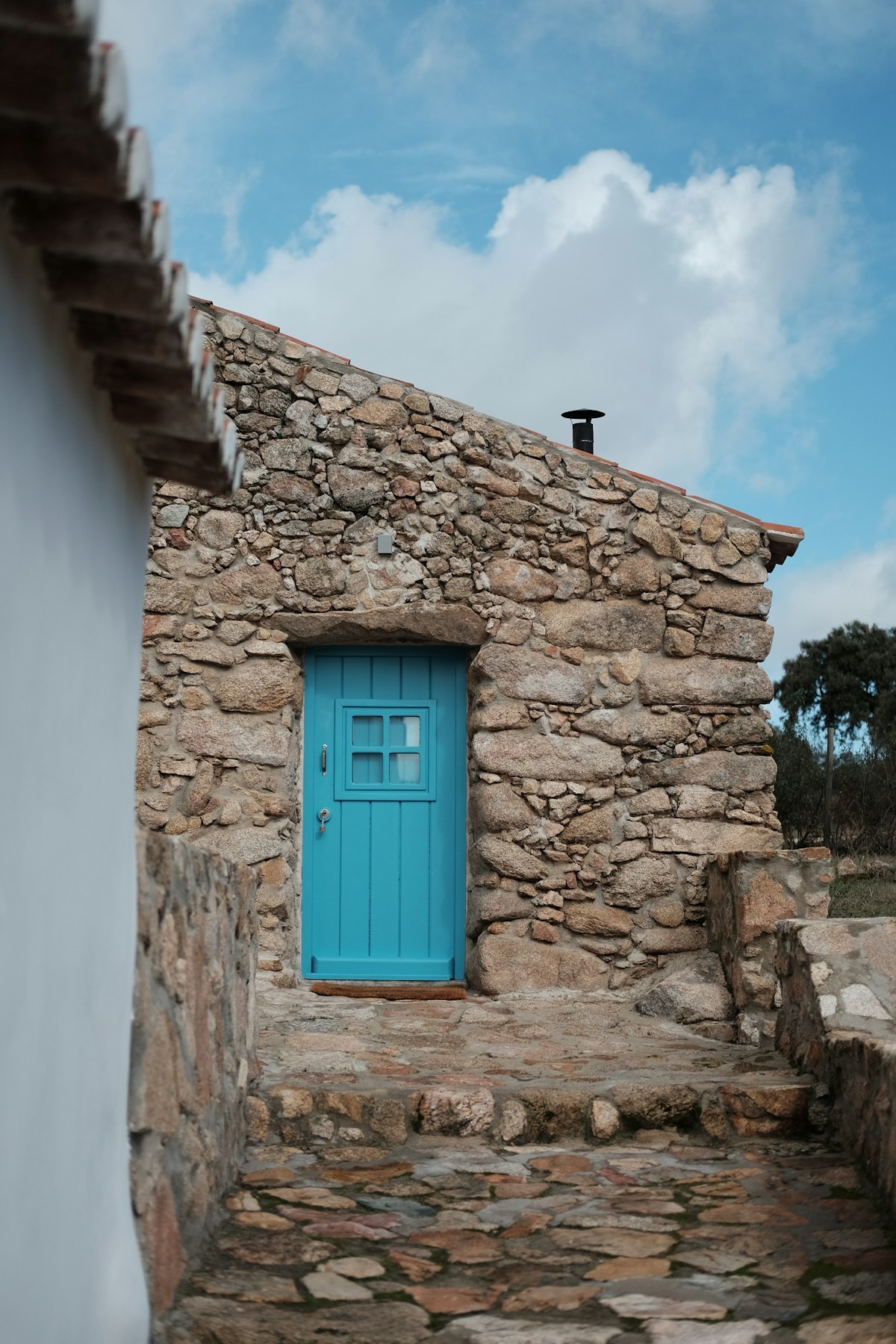
Beja is a good base for experiencing the broader Baixo Alentejo landscape: vast wheat fields, extensive cork oak montado (the traditional agro-pastoral system of cork harvesting under oak canopy), stone-walled farmsteads, and occasional white villages visible from long distances across the plains. The emptiness and scale are distinctive - the Alentejo has one of the lowest population densities in Europe.
In spring (March–April), the plains between Beja and Évora are covered in wildflowers - poppies, camomile, and lupins alongside the young wheat. In summer, the landscape turns gold and brown. The cork oak stripping season (June–August) is when the trees are harvested for their bark every nine years - an unusual sight along rural roads.
What to Eat
Alentejo cuisine is the dominant food culture in Beja. Açorda (bread soup with garlic, coriander, and eggs) is the simplest staple. Migas (fried breadcrumbs with pork fat and meat) is the more substantial version. The local sheep’s milk cheese from nearby Serpa is one of Portugal’s finest - soft, buttery, with a slightly sharp finish when aged. The Alentejo wines available here are robust reds from the region’s vineyards.
Local restaurants cluster around the Praça da República and the streets near the castle. Prices are noticeably lower than Évora or Lisbon.
Where to Stay
Beja has a small number of hotels in the historic centre and a pousada converted from the Convento de São Francisco (outside the castle walls). Accommodation is limited - it’s a practical overnight stop on a drive between Lisbon and the Algarve rather than a destination that warrants extended planning. See our Beja hotel guide for what’s available.
For guided experiences, browse tours in beja - covering walking tours, food tours, and day trips from the city.
Getting here by air? airport transfers take the stress out of the journey from the airport to your hotel. Pick up an eSIM for Portugal before you land to stay connected on arrival.
Search hotels in Beja on Booking.com to compare rates and availability.
Best Time to Visit
March, April, and May for the wildflowers and comfortable temperatures (15–25°C). October and November for the post-harvest light and lower visitor numbers. Avoid July and August if at all possible - the heat on the Alentejo plains is extreme and there is limited shade or relief in the town centre. See our Beja food guide and things to do in Beja for local dining and excursions into the surrounding plains. For the broader Alentejo context - Évora, the wine estates, and the Atlantic coast further north - see the Alentejo region guide.
How Beja Compares
Beja vs Évora: Évora is the stronger destination for first-time visitors to the Alentejo. It has UNESCO World Heritage status, more sights per square kilometre, and better restaurants. Beja has a well-preserved castle, an excellent archaeological museum in a converted convent, and lower prices across the board — but it warrants a half day rather than a full overnight stay for most visitors. Travelling south from Évora toward the Algarve, Beja works as a practical stop rather than a dedicated trip.
Beja vs Monsaraz: Monsaraz is a medieval hilltop village with Alqueva lake views; Beja is a working Portuguese town with more infrastructure but less immediate visual drama. Monsaraz is better for atmospheric overnight stays and photography; Beja suits those who want a functional Alentejo base with more dining options. Both are best visited in spring (March–May) or autumn (September–November). July and August are genuinely difficult — temperatures regularly exceed 40°C on the Baixo Alentejo plain. Families find Beja more accommodating than Monsaraz; couples will often prefer Monsaraz’s character.
Frequently Asked Questions
- How do I get from Lisbon to Beja?
- By car, take the A2 south and then the IP8 east - approximately 180km and 2 hours. By bus, Rede Expressos runs regular services from Lisbon's Sete Rios terminal taking about 2h15–2h30. By train, services are less frequent and slower - about 3 hours via Setúbal or Évora. The car or bus is the practical option.
- What are the Letters of a Portuguese Nun?
- The "Lettres portugaises" were published in France in 1669, claiming to be five love letters written by a Portuguese nun to the French officer who had abandoned her. They became a literary sensation across Europe and were taken as genuine for centuries. The letters are now believed by most scholars to have been written in French by Gabriel de Guilleragues, but legend maintains they were written in Beja's Convento da Conceição (now a regional museum) by Sister Mariana Alcoforado.
- Is Beja worth visiting?
- Beja is worth a half-day stop for those driving between the Alentejo and the Algarve, or for visitors interested in an authentic Alentejo city without tourist infrastructure. It has a well-preserved historic centre and an interesting regional museum, but limited draw for most visitors compared to Évora or the Algarve coast.
- How hot does Beja get in summer?
- Beja regularly records some of the highest temperatures in Portugal during summer. July and August temperatures often exceed 40°C, with readings above 45°C recorded during exceptional heat events. The flat plains provide no shade or sea breeze. Spring and autumn are significantly more comfortable for visiting.
Book an experience
Top experiences in Beja
Explore the best tours and activities in Beja, with instant confirmation and free cancellation on most bookings.
Where to stay in Beja: Find hotels in Beja →