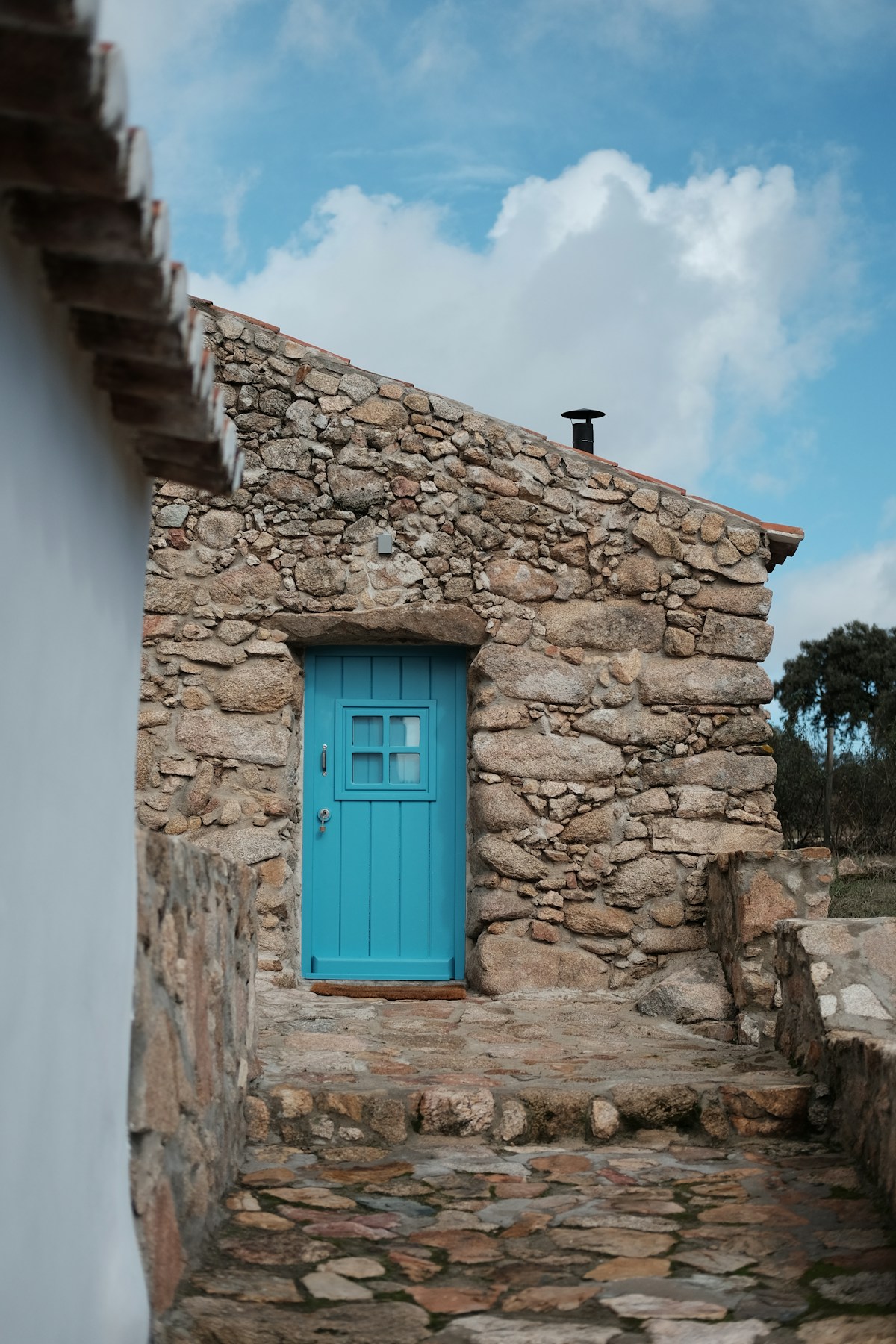
Beja is the capital of the Baixo Alentejo and one of the least-visited regional capitals in Portugal. This is partly because it offers nothing spectacular and requires no special knowledge to appreciate - it is a quiet, hot Alentejo city with deep Roman and Moorish roots, a well-preserved historic centre, one exceptional museum, and some of the least-crowded streets in any Portuguese city of its size. It rewards visitors who want to understand how the Alentejo actually functions rather than those looking for photogenic highlights.
Museu Visigótico (Santo Amaro)
The Museum of Visigothic Art is Beja’s most important cultural site. It is housed in the Church of Santo Amaro, built in the 6th century during the Visigothic period - one of the earliest surviving Visigothic structures in Portugal. The collection consists of carved stone capitals, column bases, decorated friezes, and religious objects from the 5th to 8th centuries, when the Visigoths controlled the Iberian Peninsula before the Moorish conquest in 711.
The carved stonework is the main draw - the geometric and floral motifs on the capitals are sophisticated and visually interesting even to non-specialist visitors. Entry is €2. The building itself, separate from the collection inside, is worth examining from the outside - the proportions and construction method are distinctly non-Roman despite using Roman architectural vocabulary.
The Pousada de Beja (Convento de Nossa Senhora da Conceição)
The Pousada de Beja occupies a 15th-century convent that was later famous as the setting of the “Letters of a Portuguese Nun” - letters (possibly fictional, possibly real) written by a cloistered nun to a French officer in the late 17th century, which became a European literary sensation. The convent is now a hotel with a museum of regional art and religious objects in the public areas. Even if you are not staying, the public areas and church can be visited during daytime hours.
Search hotels in Beja on Booking.com to compare rates and availability. The Museu Regional de Beja, attached to the convent, holds collections of Roman archaeology from local excavations, medieval religious art, and regional ethnography. Entry is €2.
The Castle and Torre de Menagem
Beja’s medieval castle overlooks the city from its highest point. The Torre de Menagem (keep) is the most complete element - it is climbable and gives views across the Alentejo plains that stretch to every horizon. On a clear day the flatness of the landscape is striking - Beja sits in a low bowl surrounded by wheat and cork oak country that goes on for many kilometres in every direction. Entry to the tower is €2.
The castle walls form a circuit that can be walked in 15–20 minutes. Most of the defensive walls are preserved and the enclosed area holds a small park and several buildings.
The Roman Town (Pax Julia)
Beja was the Roman settlement of Pax Julia - the “Peace of Julius” - founded by Julius Caesar following his campaign against local tribes in 48 BC. It was a significant Roman administrative centre and the remains of the Roman period underlie much of the current city. The Museum Regional holds the most important Roman finds from local excavations, but Roman stonework is also visible built into later medieval structures throughout the historic centre - a common pattern in Alentejo towns.
The Alentejo Landscape
Beja is surrounded by the Alentejo’s characteristic landscape - vast wheat plains (searas), cork oak groves (montado), and the occasional white-walled village rising from the flatness. Driving through this landscape is itself worth doing if you have a car - the scale and quietness are distinctive. The village of Serpa (30km east) has a well-preserved walled historic centre and a good cheese market. Mértola (60km southeast) sits above the Guadiana River with a Moorish castle and an outstanding Islamic-period collection in its municipal museum.
tours in Beja cover guided day trips, themed walks, and activity bookings so you can skip the logistics.
Practical Notes on Heat
Beja is consistently the hottest city in Portugal. Summer afternoon temperatures regularly reach 40–44°C from late June through August. Outdoor activity in those months should be planned for the early morning (before 10am) or late afternoon (after 6pm). The city has good shade in the historic centre and the café culture revolves around shaded terraces. October brings relief - temperatures drop to the low 20s and the light over the Alentejo plains is at its best. Visitors driving through the Alentejo will find Beja well placed on a Portugal road trip. For food and accommodation in Beja, see food in Beja and best hotels in Beja.