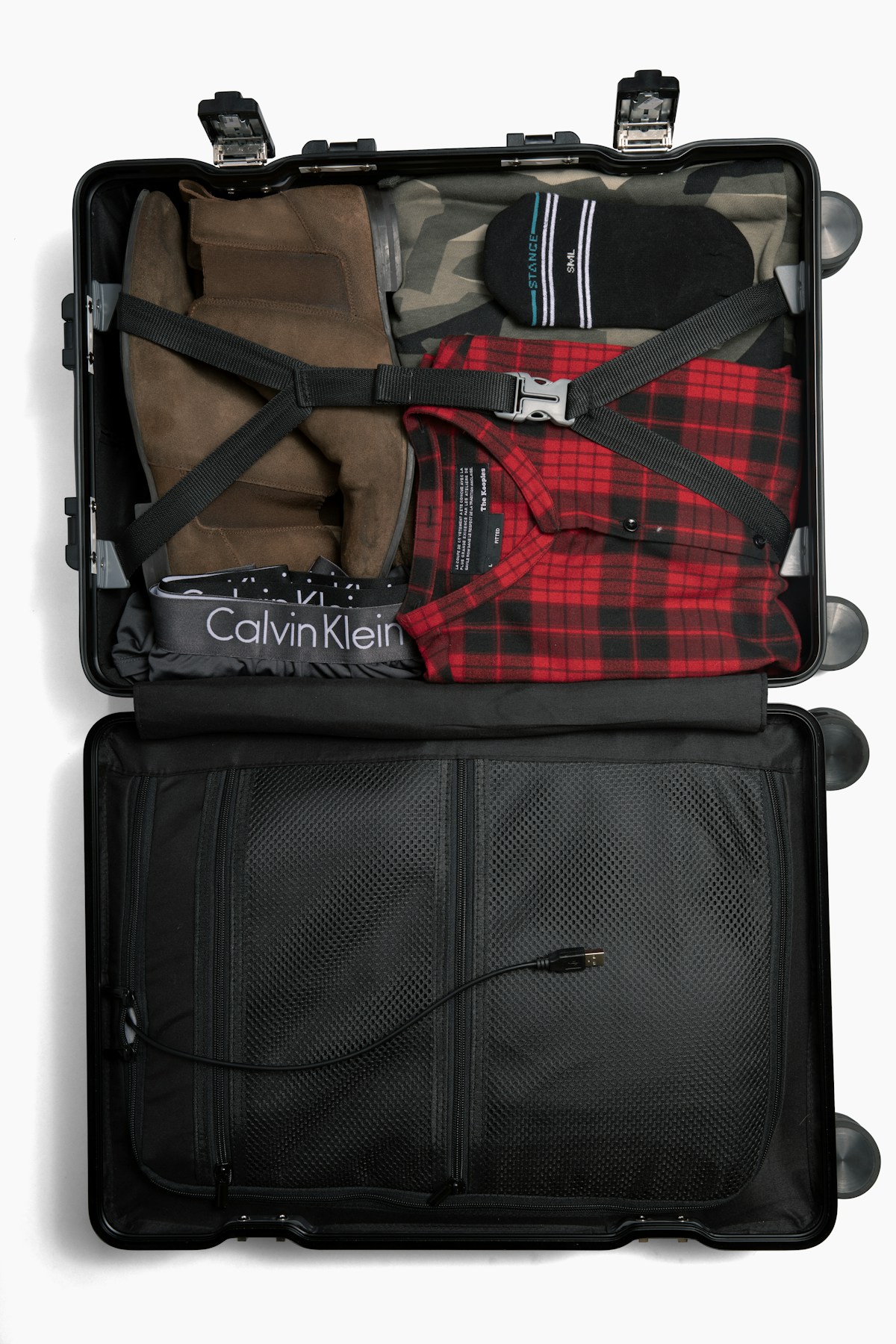
What to pack for Portugal depends significantly on when you are going, what you plan to do, and which regions you will visit. This guide covers the essentials for each season and specific activities, plus a list of items that seem necessary but typically aren’t.
Year-Round Essentials
Footwear - The Most Important Item
The most common complaint from first-time visitors to Lisbon and Porto is sore feet. Both cities are built on steep hills and paved almost entirely in calçada portuguesa - small, hand-set limestone cobblestones. These are distinctive, beautiful, and unforgiving on thin-soled shoes.
What works:
- Running shoes or sturdy trainers with cushioned soles
- Hiking shoes or light trail runners
- Well-worn leather shoes with solid soles
What doesn’t work:
- Fashion trainers with flat, thin soles
- High heels of any height (functionally impossible on wet cobblestones)
- Flip-flops or sandals for any serious walking
- New shoes that haven’t been broken in
The cobblestones are also slippery when wet. Grip matters as much as cushioning.
Layers for Evenings
Even in July and August, Lisbon and Porto evenings cool. A light jacket or cardigan is useful on outdoor terraces after 22:00. In the Algarve, summer nights are warmer but a light layer remains useful.
Documents and Administration
- Passport (essential - ID cards from non-EU countries are not accepted)
- EHIC/GHIC card (EU/UK citizens)
- Travel insurance documents (policy number, emergency line on paper)
- Copies of passport (photo on phone + physical copy stored separately)
- NIF (Portuguese tax number) if you have one - required for some purchases and receipts
Electronics
- Plug adaptor: EU Type F (two round pins). Same as most of Europe. Voltage is 230V - check your device chargers (most modern devices handle this automatically).
- Portable charger: useful for long city walking days
- Offline maps: download Google Maps or Maps.me offline tiles for Portugal before travelling - useful in areas with patchy data coverage
Summer Packing (June–September)
Sun Protection - Essential, Not Optional
Portugal’s summer UV index regularly reaches 9–11 (extreme). Sunburn is faster than expected, particularly for visitors from northern Europe.
- SPF 50+ sunscreen: available everywhere but notably expensive in beach resort shops (a 200ml bottle can cost €15–20 in a Algarve beach shop vs €6–8 at a Continente or Pingo Doce supermarket). Buy at a supermarket on arrival if you haven’t brought enough.
- Sunhat: essential for extended outdoor sightseeing or beach days
- UV sunglasses: protective (UV400) sunglasses, not fashion lenses
- Lightweight, breathable fabrics: linen and technical fabrics handle the heat better than cotton, which stays damp with sweat. Avoid dark colours in direct sun.
Beach Days
- Reef-safe sunscreen (encouraged in protected coastal areas)
- Dry bag for valuables at the beach (leaving phones and wallets on the sand while swimming is the leading cause of theft at Portuguese beaches)
- Travel towel if you want to pack light (some Algarve beaches rent sun loungers and umbrellas from €5–10 each)
- Waterproof sandals for rocky beaches
Evenings and Going Out
Summer dress code in Portugal is casual by Mediterranean standards. Smart-casual is appropriate for most mid-range restaurants. A single dressier outfit covers any occasion short of a formal wedding.
Winter Packing (November–February)
Waterproofs
Northern Portugal (Porto, Minho) gets significant winter rain - more annual rainfall than London, concentrated in the cooler months. A waterproof jacket with taped seams is more useful than an umbrella in Porto’s wind.
In Lisbon, rain is less persistent but still frequent. A mid-weight waterproof layer is sufficient. The Algarve gets much less rain than the north.
Warm Layers
Temperatures in Lisbon range 8–15°C in January. Porto is colder at 6–12°C. This is not extreme cold but requires real layering:
- Base layer
- Mid-layer (fleece or wool sweater)
- Outer waterproof layer
- Hat and gloves for evenings in Porto and northern regions
The Algarve in winter needs only a light jacket for daytime and a slightly warmer layer for evenings.
Surf Trip Packing
Portugal is a major surf destination, and surfing gear is available to rent at all main surf centres (Ericeira, Peniche, Nazaré, Alentejo coast, Sagres). If you’re travelling light, renting is entirely practical. If you prefer your own gear:
Wetsuits by Month
| Month | Recommended wetsuit |
|---|---|
| October–April | 4/3mm full suit + booties optional |
| May–June | 3/2mm full suit |
| July–September | 2/2mm shorty or 3/2mm |
Water temperature peaks at 22°C in August (south Algarve) and drops to 14°C in February (north coast). The Atlantic coast is colder than the south coast year-round.
Surf Equipment
Surf shops in Ericeira (Ripcurl, Quicksilver, local shops), Peniche (several surf schools), and the Algarve rent:
- Surfboards (€15–25/day)
- Wetsuits (€10–15/day)
- Bodyboards (€10/day)
If you’re a beginner or only surf occasionally, renting avoids the logistics of travelling with a board bag (and the associated airline surcharges, typically €50–80 each way on budget airlines).
What You Don’t Need to Bring
- Large first-aid kit: Portuguese farmácias are excellent, widely available, and pharmacists speak reasonable English. Basic medications (antihistamines, pain relief, diarrhoea treatment, plasters) are cheaper than at home and easy to find.
- Large quantities of sunscreen: buy at a Pingo Doce or Continente supermarket on arrival. Far cheaper than at beach resorts.
- Formal clothes: Portugal is casual. A pair of trousers and a collared shirt covers virtually any dress code you will encounter.
- Rain poncho: a waterproof jacket is more practical and less embarrassing.
- Travel hairdryer: every hotel and most guesthouses provide one. Don’t pack it.
- Portuguese phrasebook: Portuguese people in tourist areas speak excellent English. Learning 5–10 words of Portuguese (obrigado/a, por favor, bom dia) is polite and always appreciated, but a phrasebook is not necessary.
Currency and Money
- Portugal uses the euro (€). Cards (Visa, Mastercard) are accepted at virtually all restaurants, hotels, petrol stations, and shops including small cafés. Even many market stalls now accept card.
- Cash is useful for: small pastelarias, market stalls, public toilet attendants (€0.50), and tips
- ATMs (Multibanco machines) are ubiquitous and generally charge lower fees than airport currency exchanges. Use ATMs attached to bank branches for security.
- Notify your bank before travelling to avoid card blocks.
tours across Portugal covers guided experiences across Portugal - from cultural walking tours to day trips from major cities.
an eSIM for Portugal is a straightforward way to stay connected throughout the country. travel insurance is worth comparing before departure.
Planning Your Trip
For seasonal guidance beyond packing - what to expect weather-wise, the best months for surf, and when the Algarve is overcrowded - our best time to visit Portugal guide covers all 12 months with regional breakdowns. Travelling in the shoulder season? Our Portugal in September guide and Portugal in October guide are strong months for getting the best balance of warmth, crowds, and surf. If you are surf-focussed, the Ericeira, Peniche, and Nazaré guides each include specific seasonal notes and what to rent locally versus bring. For the cost side of a Portugal trip, the Portugal travel costs guide gives real 2026 prices across accommodation, food, transport, and activities.
Plan Your Trip
🏨 Search hotels in Lisbon on Booking.com
✈️ Book your flights to Portugal 🛡️ Get travel insurance 📱 Stay connected with an eSIM 🚗 Rent a car