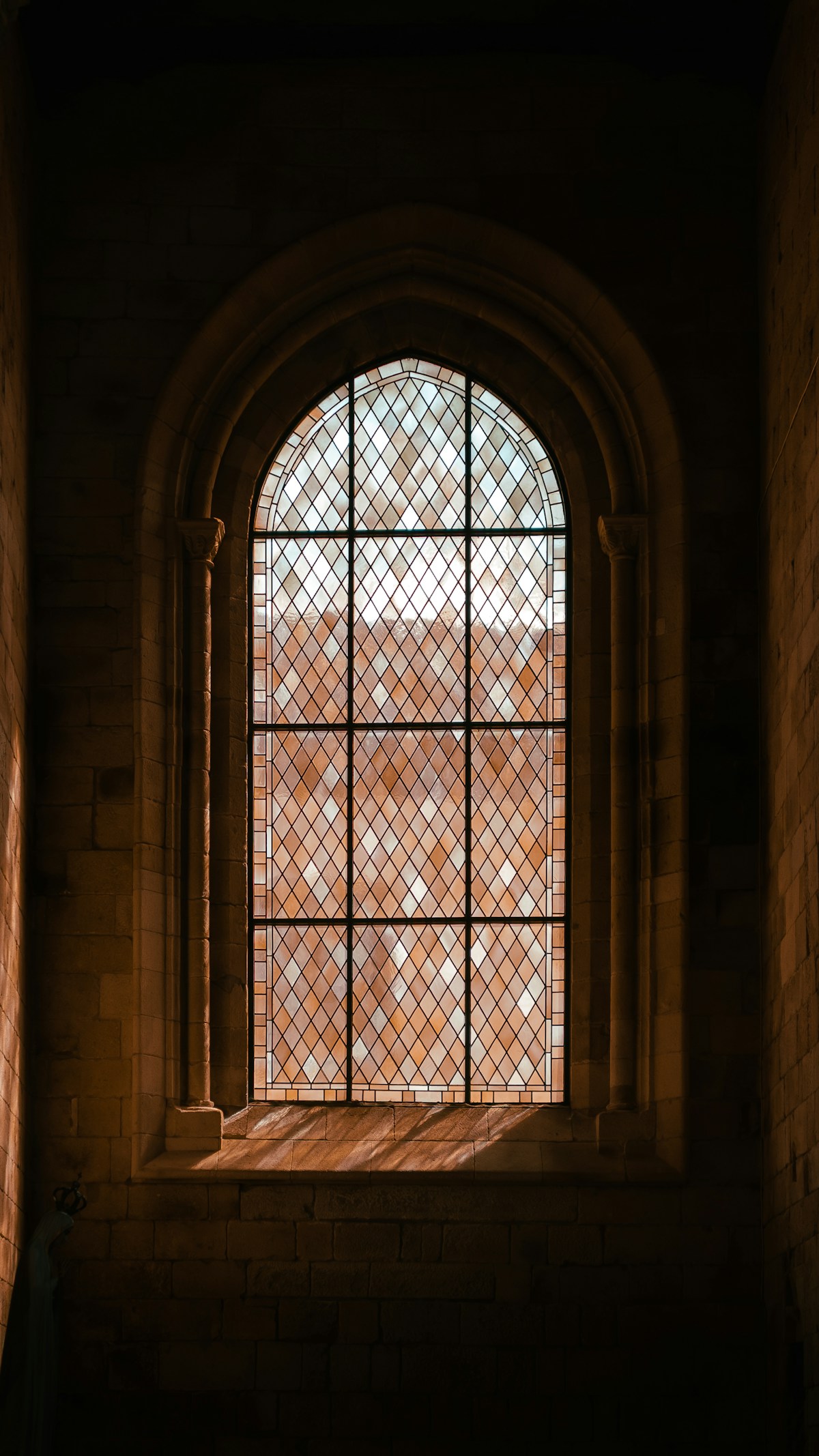
Guimarães has a legitimate claim that few other Portuguese cities can make - it is where Portugal began. The first king, Afonso Henriques, was born here in 1109 and it served as the first capital before Coimbra took that role later in the 12th century. The city takes this history seriously. The phrase “Aqui Nasceu Portugal” (Here Portugal Was Born) appears on the castle walls, and the UNESCO-listed historic centre has been carefully maintained rather than rebuilt. It’s 60km from Porto, works well as a day trip, and is worth staying in if medieval history is a real interest.
Guimarães Castle
The castle (Castelo de Guimarães) dates from the 10th century and occupies a hill above the historic centre. It’s a proper medieval fortification - solid walls, square towers, a keep - not a fairy-tale palace. The walkable ramparts give good views over the lower city and the surrounding hills. Entry to the towers costs €2; the exterior grounds are free. Allow 45–60 minutes.
The castle is most associated with Afonso Henriques, who was supposedly baptised here. Whether all the historical details are accurate is debated, but the site has real symbolic weight for Portuguese national identity and you’ll see this reflected in the visitor experience.
Paço dos Duques de Bragança
A few hundred metres from the castle, the Paço dos Duques (Duke’s Palace) is a 15th-century palace built by Dom Afonso, Count of Barcelos, and later used as a royal residence. Entry costs €5 (€6 combined with the castle). The interior houses a collection of Flemish tapestries, Persian rugs, Portuguese faience, and furniture that was substantially restored in the 20th century - the restoration is competent if not entirely original. Allow 60–75 minutes.
The palace terrace has views across the city toward the castle. The two sites together form a natural morning circuit from the historic centre on foot.
The Historic Centre
The medieval centre is the main reason Guimarães has UNESCO status. The streets around Largo do Oliveira and Praça de Santiago are genuinely well-preserved - arcaded buildings, cobbled squares, a 14th-century collegiate church, and the Convento de São Domingos. Unlike some UNESCO old towns, this one is still lived in rather than entirely given over to tourism.
Largo do Oliveira is the main square, with a 14th-century Gothic canopy monument (Padrão do Salado) and the Igreja de Nossa Senhora da Oliveira alongside it. Praça de Santiago a few steps away is less formal and better for sitting with a coffee.
The Museu de Alberto Sampaio, housed in the former collegiate church cloister, holds medieval ecclesiastical art including a silver triptych said to have been captured at the Battle of Aljubarrota in 1385. Entry is €3. It’s a focused collection, not overwhelming, and worth an hour.
Monte de Penha
A cable car (teleférico, €5 one-way, €8 return) runs from the edge of the city up to Monte de Penha, a forested hilltop at 617m with a sanctuary chapel, gardens, and long views across the Minho region toward Spain. It’s busier at weekends and with local families. The walk down through the pine forest takes around 45 minutes for those who prefer not to take the cable car back.
Festas Gualterianas (August)
If you’re visiting in the first weekend of August, the Festas Gualterianas - one of Portugal’s oldest festivals, dating to 1452 - takes over the city with medieval pageants, a torchlit procession, and several days of music. It’s genuinely worth timing a visit around if medieval history interests you.
tours in Guimarães cover guided day trips, themed walks, and activity bookings so you can skip the logistics.
Getting There and Around
Trains from Porto Campanhã run regularly throughout the day. Journey time is around 1 hour 15 minutes; tickets cost €4–6 one-way. The train station is a 10-minute walk from the historic centre. The castle and palace are then a further 10-minute walk uphill. Everything in the old town is walkable once you’re there. There’s no meaningful public transport within the historic area - flat shoes are sensible on the cobblestones. Guimarães pairs well with Braga on the 10 days in Portugal itinerary. For food and hotels, see food in Guimarães and best hotels in Guimarães.
Search hotels in Guimarães on Booking.com to compare rates and availability.