Évora is the best-preserved Roman city in Portugal and one of the finest historic centres in the Iberian Peninsula. The entire old town within the medieval walls is UNESCO World Heritage - 2km in diameter, with Roman ruins, a medieval cathedral, Renaissance palaces, and 16th-century churches compressed into a walkable area. Population: 56,000. See our Évora city guide for transport, accommodation, and day trip context.
Getting to Évora
By hire car: 130km from Lisbon via A6 motorway, 1h30. Easy parking outside the city walls (free) or paid inside. By bus: Rede Expressos from Lisbon Sete Rios, 1h30–2h, €13–15 return. No direct train from Lisbon (would require a change and takes 3h+).
Roman Temple of Diana
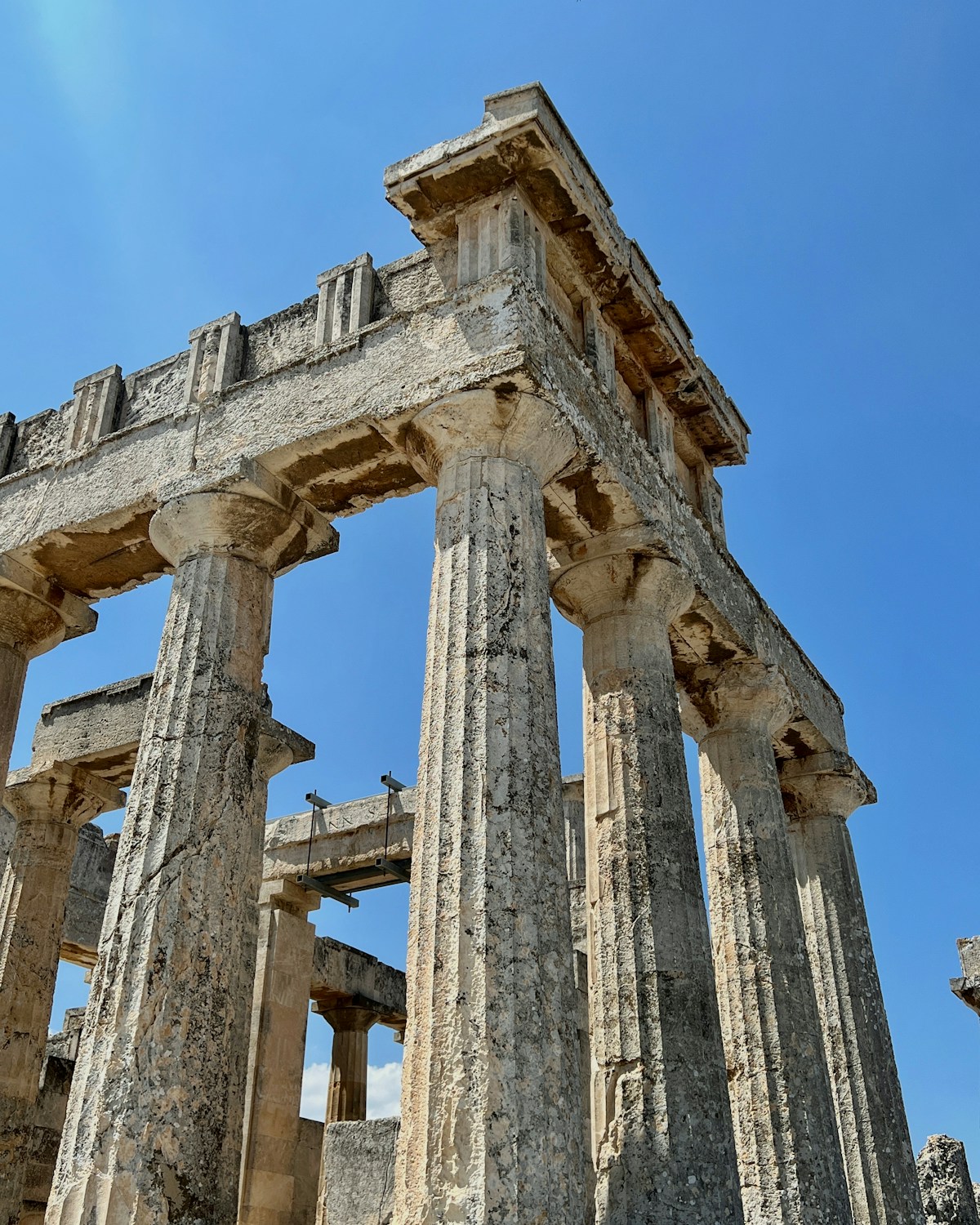
The most recognisable monument in Évora: 14 Corinthian columns of the 1st–2nd century AD, standing intact on the highest point of the old town. Free to view from outside; the surrounding square (Largo do Conde de Vila Flor) is also home to the Regional Museum and the pousada.
The temple is commonly called the Temple of Diana but was probably dedicated to Emperor Augustus. It survived because it was incorporated into the medieval castle walls, then used as a slaughterhouse until the 19th century - an ignominious history that preserved it.
Chapel of Bones (Capela dos Ossos)
Inside the Igreja de São Francisco (just outside the main gate of the old town). Built in the 16th century by a Franciscan monk as a memento mori - a reminder of human mortality. The walls and columns are entirely covered in the bones and skulls of approximately 5,000 monks, arranged in decorative patterns. Two mummified bodies hang from the wall (an adult and a child). The inscription above the entrance reads: “We bones that are here await yours.”
Tickets: €4. The church itself (free) is worth seeing for the Gothic-Manueline architecture.
Évora Cathedral (Sé de Évora)
The largest medieval cathedral in Portugal, begun in 1186. Two asymmetrical towers (one was never completed), a carved Gothic portal with apostle figures, and a Romanesque interior. Climb to the rooftop terrace for views across the Alentejo plains (€4 extra).
Inside: cloisters (13th century, €3), treasury with medieval religious art, and a 14th-century ivory statue of the Virgin.
Cromlech of Almendres
14km west of Évora, accessible only by car (15 minutes on small roads). A neolithic stone circle of 95 granite monoliths - the largest in the Iberian Peninsula and one of the oldest in Europe (4,500–5,000 BC, predating Stonehenge). Almost completely ignored by mass tourism.
The site is in open countryside, free to access, with no infrastructure - bring water and appropriate footwear. Early morning in soft light is ideal.
Combine with: Anta Grande do Zambujeiro (2km from Almendres, one of Europe’s largest dolmens).
Roman Baths
Beneath the town hall (Câmara Municipal) on Praça do Giraldo, Roman baths from the 2nd century AD. Free to view through a glass floor inside the town hall during opening hours.
Praça do Giraldo
The main square, with a 16th-century marble fountain and arcaded buildings. Cafés and restaurants line the square. This was also the site of the Évora Inquisition’s auto-da-fé (public executions) - the fountain was built over the original execution site.
tours in Évora cover guided day trips, themed walks, and activity bookings so you can skip the logistics.
Alentejo Wine Tasting
The Alentejo produces roughly half of all wine consumed in Portugal. Several estates within 20–35km of Évora offer visits and tastings: Herdade do Esporão (near Reguengos de Monsaraz, 35km east - winery tours and tastings from approximately €15–€25, restaurant on site), Cartuxa / Fundação Eugénio de Almeida (8km from Évora, tours and tastings from around €12–€18), and Monte da Ravasqueira (near Arraiolos, 20km north - smaller, family-run). In town, the Évora Wine Bar on Rua 5 de Outubro pours regional producers by the glass from around €3–€6. All prices as of 2026.
Practical tips
Alentejo food in Évora: Açorda alentejana (bread soup with egg, garlic, coriander, olive oil), migas, game meats (perdiz/partridge, javali/wild boar), acorn-fed black pork (porco preto). Taberna Típica Quarta-Feira (Rua Inverno 16, mains €12–€18, book ahead, closed Sundays), Botequim da Mouraria (Rua da Mouraria 16A, tiny, bookings essential, seasonal tasting menus from around €35), Restaurante A Choupana (rustic grilled meats, budget €15–€22). Saturday market at Praça 1 de Maio is the best place to find queijo de Évora (local sheep’s cheese).
Getting around: The walled city is small enough to cover entirely on foot - no vehicle needed within the walls. For the megalithic sites and wine estates, car hire from Évora is the practical option (rental from approximately €40–€60 per day, as of 2026); you can also compare car hire rates to pre-book.
Temperature warning: Évora can reach 40°C+ in July and August. Go in spring (April–May) or autumn (September–October). The plains heat up with no sea breeze.
Time needed: 4–5 hours covers the main sites. Full day if including Almendres. Search hotels in Évora on Booking.com to compare rates and availability.